Key takeaways
- Season shifts the odds, not the rules: an overpriced house sits in June, and a well-priced, clean house rents in December.
- What changes by month is on public calendars: the school year, the holidays, and North Texas heat and freezes.
- The free fix is the lease end date. Nothing in Texas Property Code chapters 91 or 92 fixes a house lease at twelve months, so a 9, 10 or 16 month term can move the next vacancy.
- A lease that rolls month to month can end in any month on one month's notice (Property Code 91.001), so you lose control of the timing.
- We start renewal work 120 days before lease expiration, which is when a bad end date can still be fixed.
Yes. A house in Fort Worth, Keller or North Richland Hills will usually rent more easily in late spring and summer than in the weeks around the holidays, because that is when families with school-age children move and when people are willing to pack boxes. The same house, at the same rent, can sit longer in December than it would in June, through no fault of the house. Season is not destiny, though. Price, condition and presentation decide most of a listing's outcome in any month.
This guide skips market statistics, because we do not publish one and would not trust a national average for your street. It covers what truly changes month by month, how to choose a lease end date, and what to do when a vacancy lands in a slow month anyway. The guide to seasonality in the DFW rental market covers the wider picture, and property management in Fort Worth is where we handle the timing for you.
Month by month: what changes for a Fort Worth rental owner
Here is what is fixed on the calendar in each part of the year, and what it changes for an owner. It shows no demand figures, because none of ours would be honest for a single house:
| Months | What is fixed on the calendar | What it changes for you |
|---|---|---|
| January and February | Coldest stretch of the year: the National Weather Service averages about 10.6 freeze days in January and 6.2 in February at DFW | A vacant house needs heat on and pipes protected. Leases that ended in December are being re-leased now. |
| March | Average date of the last freeze is March 12. Spring break dates are on each district calendar. | Exterior make-ready and lawn work restart. Renewal work begins on leases that end in July. |
| April and May | The school year is in its last weeks | Families planning a summer move start looking. Renewal conversations for summer lease ends happen now. |
| June and July | School is out. Average date of the first 100 degree day is July 1. | Moves between school years. The air conditioning has to work on move-in day, and it has to run in an empty house. |
| August | The school year starts. Average date of the last 100 degree day is August 27. | Families want to be settled before the first day of school, so a home that is not ready early in the month misses them. |
| September and October | School is in session and the weather is mild | Movers are mostly households without a school deadline. A good window for exterior repairs and paint. |
| November and December | Thanksgiving through New Year. Average date of the first freeze is November 22. | Fewer people want to tour and move. A vacant home needs winter protection. The weakest months for a lease to end. |
How to read this table: the middle column is fact you can check, from the National Weather Service for Dallas/Fort Worth and from your school district's own calendar. The right column is what we would plan around. Fort Worth ISD, Keller ISD and Birdville ISD each publish the current school-year calendar on their websites, so confirm the first and last day of school there.
What actually drives the seasons in Fort Worth
Three things move the calendar, and none of them is a secret.
- School calendars. Families with children want to move between school years. That puts them in the market from late spring, when they begin looking, through summer, when they move. Houses zoned to sought-after schools feel this most.
- Holidays. From Thanksgiving to early January, fewer people are willing to tour, apply and move.
- Weather. People move in triple-digit heat because the school calendar tells them to. Fewer are willing to move during a freeze warning or in the short days of December.
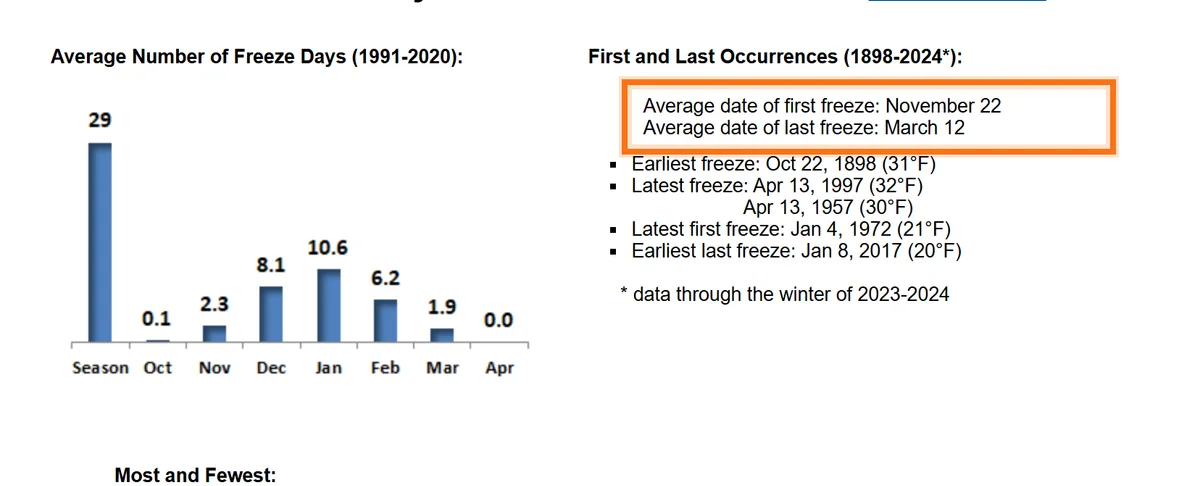
The same office's records put the average first 100 degree day at July 1 and the average last one at August 27. So the busiest moving weeks of the year are also the hottest, and the slowest are the ones with freezes. Both matter more for an empty house than an occupied one: see winter freeze prep for a Texas rental.
The result is a stronger season from late spring to late summer, a steady fall, and a soft stretch over the holidays. The exact shape varies by year and by neighborhood, so treat it as a pattern, not a schedule.
What the season changes, and what it does not
In a strong month, more people who are ready to move see the listing early, which gives you more applicants to choose from and less pressure on price. In a soft month, the same listing reaches fewer movers, so it can take longer to find the right applicant and there is less room to hold out.
What the season does not change is the order of importance. A house that is overpriced in June sits in June. A house that is priced right, clean and photographed well rents in December to the smaller group moving then, because those people still need somewhere to live. The guide to how long it takes to rent a house in DFW explains what else sets the clock.
The honest summary: season shifts the odds, not the rules. Use it to plan, not as an excuse for a listing that is not working.
The free fix: choose where the lease ends
The most useful thing an owner can do with seasonality costs nothing. When a lease is signed, choose a term that ends in a month you want, instead of defaulting to twelve months from whenever the tenant happened to move in. We found no section in Texas Property Code chapters 91 or 92 that fixes the length of a house lease, so the term is a negotiation.
Here is how the term moves the end date for three move-in dates, counting whole months:
| Lease starts | A 12-month lease ends | A different term | That lease ends |
|---|---|---|---|
| October 1 | September 30 | 9 or 10 months | June 30 or July 31 |
| December 15 | December 14 | 7 or 18 months | July 14 or June 14 |
| February 1 | January 31 | 16 or 17 months | May 31 or June 30 |
How to read this table: the second column is where a default lease puts your next vacancy, and the last column is where a chosen term puts it. A lease that starts in December and runs twelve months hands you a December vacancy every year until someone changes the term.
Watch what happens after the first term, too. If the lease rolls into a month-to-month tenancy, Property Code 91.001 lets either side end it with notice, effective on the later of the date in the notice or one month after the notice is given, unless a signed agreement sets a different period. A month-to-month tenant can leave you with a January vacancy on one month's notice. A signed renewal with a chosen end date keeps the timing yours. This is general information, not legal advice.
Pricing and marketing a house that goes vacant in a slow month
Sometimes the vacancy lands in December regardless. The right response is to price for the demand that exists, not for the demand you would have had in June, and to use the tools that shorten a slow listing.
- Set the rent from comparable houses leased in the same season, not from summer listings. An asking rent that was right in July may be high for December.
- Decide in advance how many weeks you will hold the price before adjusting, and what the adjustment will be. A planned step is cheaper than a late panic.
- Consider a move-in concession before a rent cut. A small credit that gets a tenant in before the holidays can cost less than another month empty at a lower rent for the whole term. The guide to rent concessions shows the math.
- Offer a lease term that ends in a strong month, so the slow-season vacancy does not repeat.
- Keep the house warm, lit and showing-ready. A dark, cold vacant house in December wastes the showings it gets, and heat is what protects the pipes in a freeze.
A winter listing that is priced for winter and shown well can still find a good tenant. It is the house priced for summer, sitting through January, that costs the owner. The screening standard does not move with the season.
Making the most of a strong month
A strong month rewards preparation more than a slow one, because the applicants arrive quickly and the best ones have options. The house should be fully ready on listing day, with professional photos, a clear listing and showings available when working families can come.
Price at the market rather than above it. Owners sometimes read a strong month as a reason to test a high number, and the result is a house that collects interest but no applications while the better-priced houses nearby lease. Screening against written criteria matters more too, because a flood of applications is where a rushed decision happens. How a strong listing is built is on our marketing and showings page, and pre-leasing before move-out shows how to use the notice period.
How Perpetual handles this
Perpetual Property Management is broker-owned, with our office at 5755 Rufe Snow Dr in North Richland Hills, and we manage homes in Fort Worth, Keller, North Richland Hills and nearby. This is what our site commits to, in any month:
- Rent from leased comparables. The rent is set from comparable leased homes near yours through a free rental analysis.
- Listed fast. Your home is live on every major rental platform within 5 business days of being market-ready, or we waive the first month's management fee.
- A weekly written report while vacant, with showing feedback and market notes. If the market pushes back on price or condition, we tell you in week two, with the numbers.
- Renewals start early. We begin renewals 120 days before lease expiration with a rent check against leased comparables, and the tenant conversation typically happens 60 to 90 days out. You get a recommendation with reasoning, and the decision is always yours.
The first two guarantees are on the guarantees page and the renewal process is on the renewals page. Our site does not promise a number of days on market or showings, and it does not state a standard lease term, so the term we recommend for your house is confirmed in writing before you sign. There is no rent guarantee. To talk about a lease that ends in the wrong month, call 682-593-7033.
The takeaway: Season shifts the odds, so use the calendar you control: pick a lease term that ends between school years, start the renewal four months out, and price a winter listing for the people who are actually moving in winter.
Questions owners ask
What is the worst month to list a rental house in Fort Worth?
The weeks between Thanksgiving and the first days of the new year are usually the slowest, because fewer people are willing to tour and move over the holidays. A house that comes vacant then should be priced for that smaller group and kept warm and lit. We publish no day count for any month; price and condition still decide most of it.
Should I wait until summer to list my empty house?
No. A house held empty for months to catch a strong season loses more in vacancy than the season is likely to return in rent. The better move is to list now, price for current demand, and offer a lease term that ends in a strong month so the next vacancy lands well. Holding only makes sense if the house genuinely needs that long for repairs.
Do tenants pay more rent in summer than in winter?
A strong season gives the owner more leverage on price and a weak one gives the tenant more, so the same house may lease for somewhat more in summer. We do not put a number on that. The cost of extra vacant weeks is usually the bigger figure, and pricing from comparable houses leased recently is the reliable way to find the right rent for any month.
Can I ask for a lease longer than twelve months to end in a better season?
Yes. We found no section in Texas Property Code chapters 91 or 92 that fixes the length of a house lease, so a term of ten, sixteen or seventeen months is a matter of agreement when you want the end date to fall in a particular month. Propose the term along with the rent so the two are decided together. This is general information, not legal advice.
What is the best month to list a rental house in Fort Worth?
The months between school years, roughly late spring through early August, are when the most families are looking, so a house that is ready then has the widest audience. The best month for your house is still the month it is clean, priced from leased comparables and fully ready. An empty house should not wait months for summer.
If my lease goes month to month, can the tenant leave in winter?
Yes. Under Texas Property Code 91.001, a month-to-month tenancy can be ended by either side with notice, effective on the later of the date in the notice or one month after it is given, unless a signed agreement sets a different period. That is how owners end up with a January vacancy. A signed renewal with a chosen end date avoids it. This is general information, not legal advice.
How early does Perpetual start on a lease renewal?
We begin renewals 120 days before lease expiration with a rent check against leased comparables, and the conversation with the tenant typically happens 60 to 90 days out. You receive a recommendation with reasoning, and the decision is always yours.
Property management in Keller, North Richland Hills and Fort Worth. How full-service management works in Tarrant County →