Key takeaways
- There is no county-wide or state rental registry for single-family homes; each city sets its own rule.
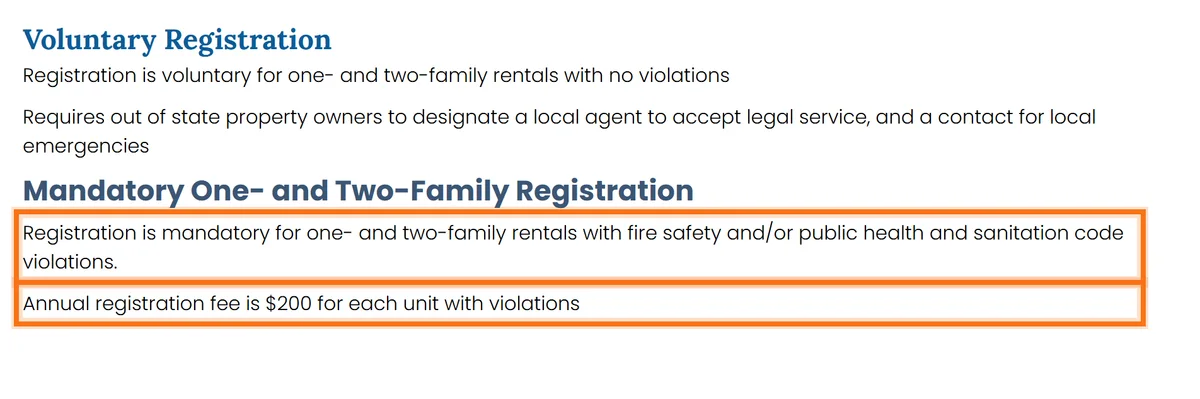
- Fort Worth: voluntary for one- and two-family rentals with no violations, mandatory at $200 a year per unit with fire safety or sanitation violations.
- Fort Worth also requires out-of-state owners to name a local agent and an emergency contact when they register.
- Hurst requires every rental unit to register every year by January 31 ($10 per unit), with a $50 inspection for new rentals and at tenant changes; short-term rentals are not permitted in Hurst.
- City inspectors check life safety (smoke alarms, egress, electrical, water heater), not cosmetics.
Whether a rental in Tarrant County has to be registered with the city, inspected on a schedule or neither depends on the city it sits in. In Fort Worth, one- and two-family rentals with no code violations register voluntarily, while those with fire safety or public health violations must register at $200 a year per unit. Hurst requires every rental unit to register each year, at $10 per unit, and charges $50 per unit for the inspection of a new rental or a unit changing tenants. Other cities run apartment-only programs, complaint-based inspections, or nothing at all.
This guide shows real examples, how to find your own city's current rule in a few minutes, what these programs involve, what inspectors look for, and how an owner stays compliant without turning it into a part-time job. Rules change with a council vote, so treat every example as something to confirm on the city's own page before you rely on it.
What these programs are and why cities run them
Rental programs come in a few forms, and a city may run one, several or none:
- Registration: the owner files the property address, owner contact and a local responsible party with the city, usually renewed on a cycle.
- Periodic inspection: a city inspector checks the home on a schedule, at tenant turnover, or when a registration is first filed.
- Complaint-based inspection: no routine visits, but a tenant or neighbor complaint triggers one.
- Certificate or permit programs: a rental may not be occupied until the city issues a certificate after inspection.
- Crime-free or multifamily programs: often aimed at apartment communities rather than single-family homes.
Cities adopt them for the same reasons: a way to reach a responsible person when a property is neglected, a minimum safety standard for tenants, and a record of which homes are rentals. Many programs started with apartments and were later extended to single-family homes, which is why an owner who checked years ago may be out of date. Treat every rule here as something to confirm with your city today, not as a fact about your city.
Real examples: Fort Worth, Hurst and the rest of Tarrant County
Two nearby cities show how different the rules can be for the same kind of house:
| Program type | What it means for a house you rent out | Tarrant County example (checked November 2026) |
|---|---|---|
| Voluntary registration | You may register; nothing happens if you do not, unless a violation is found | Fort Worth, one- and two-family rentals with no violations |
| Mandatory registration after violations | A fire safety or sanitation violation puts the home into a paid annual program | Fort Worth: $200 a year for each unit with violations |
| Local agent requirement | An owner who lives out of state names someone local to accept legal papers and handle emergencies | Fort Worth, for registered one- and two-family rentals |
| Annual registration of every rental | Every rental unit registers each year, whether or not anything is wrong | Hurst: every rental unit, in any zone, by January 31 each year; $10 registration fee per unit |
| Inspection at registration or turnover | A city inspector visits when a rental is first registered or a new tenant moves in | Hurst: new registrations and units changing tenants; $50 inspection fee per unit |
| Apartment-only program | Multifamily properties register and are inspected; single-family homes usually are not | Fort Worth multifamily registration and inspection |
How to read this table: the left column is the kind of program, the middle column is what it asks of you, and the right column is a real city that runs it. One home can fall under more than one row, and a home with a Fort Worth mailing address may sit inside another city entirely. If your city is not listed, that does not mean it has no program; it means you need to check it with the steps below. Hurst also does not permit short-term rentals, so a home there cannot be listed for nightly or weekend stays.
How to find out whether your city has one
Start by confirming which city the home is actually in. Mailing addresses, school districts and city limits do not always match in this part of the county, and a home with a Fort Worth mailing address can sit inside a smaller city. The county appraisal district record shows the taxing city. If the home is in an unincorporated area, city programs generally do not apply, though county and state rules still do.
Then check the city itself, in this order:
- Search the city's website for rental registration, rental inspection, or rental property program. The responsible department is usually code compliance, neighborhood services or building inspections.
- Open the city's code of ordinances online and search for rental, lease and dwelling. The ordinance will say who must register, how often, and whether inspections are routine or complaint-driven.
- Call the department and ask three questions: does the program cover single-family homes, what is the renewal cycle, and is an inspection required before a new tenant moves in.
- Ask whether the city requires a local agent for owners who live out of the area.
Write down the date you checked and who told you. Programs change, and when you sell or switch managers, the next person will need to know what you confirmed and when.
What registration usually involves
Registration is mostly paperwork. A typical filing asks for the owner's legal name and address, the property address, the number of units, and the name and phone number of a local contact who can respond to the city within a short window. Cities that run these programs charge a fee, and the amounts and renewal periods vary, so check your city's current schedule rather than relying on anything you read elsewhere.
A few points trip owners up:
- The registration usually has to be updated when the property sells, when the owner's contact information changes, or when a new manager takes over.
- Some cities tie registration to a certificate that must be renewed before each new tenancy.
- An owner who lives outside the area is often required to name a local agent; Fort Worth, for example, requires out-of-state owners who register to designate a local agent to accept legal service and a contact for local emergencies. A property manager normally serves that role.
- Registration is not a license to rent; it is a record. State law obligations apply whether or not the city has a program.
Keep the registration certificate and renewal confirmations with the property's permanent file alongside the lease, the inspection reports and the insurance policy. Our guide to rental property bookkeeping basics covers how to organize that file so nothing lapses.
What inspectors look for
Municipal rental inspections are not appraisals and they are not interested in cosmetics. They work from the city's property maintenance and building codes and focus on life safety and basic habitability. The items that come up again and again:
- Smoke alarms in the locations and working condition the code requires, and carbon monoxide alarms where the city requires them.
- Bedroom egress: windows that open and are large enough to exit through.
- Electrical: ground-fault protection near water, covered outlets and junction boxes, no exposed wiring, a panel with no open slots.
- Water heater: proper relief valve discharge, venting and clearance.
- Plumbing: no active leaks, working fixtures, hot water available.
- Heating and cooling that function.
- Stairs and handrails, guardrails on decks and balconies.
- Exterior: roof condition, peeling paint on older homes, broken windows, address numbers visible from the street, no accumulated junk or inoperable vehicles.
- Pests, moisture and signs of mold.
- Occupancy limits and unpermitted conversions such as a garage turned into a bedroom.
Most of these overlap with what Texas law already requires of every landlord. Our guide to security devices and smoke alarms covers the state rules that apply whether or not your city inspects.
How an inspection goes and how to prepare
The city schedules the inspection, and the owner or manager is responsible for arranging access. That means giving the tenant proper notice under the lease and Texas entry rules, and ideally being present so the inspector's questions get answered on the spot. An inspector who finds a locked door and no one home writes it up as a failed appointment, and some cities charge for the re-visit.
Prepare the way you would for your own periodic inspection:
- Walk the home a week ahead with the city's checklist, if it publishes one, and fix the common items: dead alarm batteries, a missing outlet cover, a loose handrail, a dripping fixture.
- Clear the exterior of anything that looks like storage and check that the address numbers are visible.
- Confirm the HVAC runs in both modes and the water heater has its relief line.
- Have the previous inspection report and any permits for past work on hand.
If items fail, the city issues a list with a correction deadline and a re-inspection. Fix them promptly, keep the receipts, and photograph the completed work. We fold city inspections into the same documented process we use for our own visits; the details are under our inspection service.
What happens if you ignore it
Owners usually discover an unregistered rental the hard way: a tenant complains about a repair, the city looks up the address, finds no registration and opens a case. The consequences depend on the city, but in general they include citations and fines that can accrue per day, mandatory inspection, and in some programs a restriction on leasing the home to a new tenant until it is registered and passes. A record of citations can also surface when you sell.
The quieter cost is leverage. A tenant in a dispute who learns the home is out of compliance has an argument they did not have before, and a landlord trying to enforce a lease while ignoring a city ordinance is in a weak position in front of a justice court. Compliance is cheap and the alternative is not.
If you have just learned that your city has a program and your home is not in it, register now rather than waiting for the next tenant. Cities tend to treat a voluntary late registration very differently from one they had to chase.
How city rules fit with Texas law and your HOA
A rental home in this area sits under three sets of rules, and the strictest one controls on any given point.
- Texas law applies everywhere: the landlord's repair duty, required security devices and smoke alarms, security deposit handling, entry and notice rules. No city program replaces these.
- City ordinances add registration, inspection, property maintenance standards, occupancy limits and sometimes short-term rental rules on top.
- HOA covenants may add leasing restrictions, tenant registration with the association and appearance standards that no inspector enforces but the association will.
Owners sometimes assume that passing a city inspection means the home meets every obligation, or that an HOA leasing approval means the city is satisfied. Neither follows. The state duties are explained in Texas landlord repair obligations, and the association side in HOA rules for rental property. This article is general information, not legal advice; confirm your specific obligations with the city and an attorney.
Who handles it: owner, manager and tenant
The owner is legally responsible for registration and compliance no matter who does the work. In practice a property manager does nearly all of it: files and renews the registration, serves as the local contact the city calls, schedules inspections around the tenant, meets the inspector, coordinates the repairs from the correction list, pays the fees from the owner's account and files the certificates with the property's records. The owner sees the fee on the monthly statement and the documents in the owner portal.
The tenant's part is written into the lease: allow entry for city inspections with proper notice, keep smoke alarms in working order, do not disable safety devices, and report problems promptly so a small repair never becomes a citation. A manager who already inspects the home on a schedule finds these issues before the city does, which is the whole point.
If you want this handled rather than tracked on your own calendar, full-service management includes it as part of keeping the home compliant, with every fee listed in writing before you sign.
A checklist you can finish today
Four steps settle this for most owners in an afternoon:
- Confirm the city the home is in from the appraisal district record, not the mailing address.
- Search that city's website and code of ordinances for its rental program, then call code compliance to confirm whether single-family homes are covered and what the renewal cycle is.
- If a program exists, register now, name a local contact, and calendar the renewal.
- Walk the home against the life-safety items above and fix anything that would fail, whether or not an inspection is scheduled.
Repeat the check when you buy another property, when a city annexes the area, and once a year as a habit. The rule you confirmed when you bought the home is not the rule you can rely on forever.
The takeaway: Rental registration and inspection rules are set by each city and change, so confirm your city's current program today, register if one exists, and keep the home at the life-safety standard that every inspector checks first.
Questions owners ask
Does every city in Tarrant County require rental registration?
No. Programs are adopted city by city, and some cities have none, some register only multifamily properties, and some register and inspect single-family rentals as well. Confirm which city the home is actually in, then check that city's current ordinance through its code compliance or building department.
How do I find out if my city inspects rental properties?
Search the city's website and online code of ordinances for rental registration or rental inspection, then call the code compliance or neighborhood services department. Ask whether single-family homes are covered, whether inspections are routine, at turnover or complaint-based, and what the renewal cycle is.
What do city rental inspectors look for?
Life safety and basic property maintenance: working smoke alarms, bedroom egress windows, electrical safety, water heater relief and venting, plumbing leaks, functioning heating and cooling, handrails and guardrails, roof and exterior condition, visible address numbers, pests and moisture, and unpermitted conversions. Cosmetics are not the focus.
What happens if I rent out a house without registering it?
If the city has a program, it can issue citations and fines, require an inspection, and in some cases restrict leasing to a new tenant until the home is registered and passes. It also weakens your position in any dispute with a tenant. Registering voluntarily, even late, is treated far better than being caught.
Can my property manager handle city registration and inspections for me?
Yes, and that is the normal arrangement. The manager files and renews the registration, acts as the local contact, schedules and attends inspections, coordinates repairs and keeps the certificates with the property's records. The owner remains legally responsible, so make sure the management agreement says the manager will do it.
Do I need to register my rental or arrange a city inspection in Fort Worth?
In Fort Worth, registration is voluntary for one- and two-family rentals with no violations, and mandatory for those with fire safety or public health and sanitation code violations, at $200 a year for each unit with violations. Out-of-state owners who register must name a local agent and an emergency contact. First confirm the home is actually inside Fort Worth using the appraisal district record, since a Fort Worth mailing address can sit inside a smaller city with its own rule. Perpetual files registrations and attends inspections for the homes we manage.
Is a city rental inspection the same as a home inspection?
No. A city rental inspection is done by a code inspector checking the home against the city's property maintenance and life-safety codes, and the city decides whether it passes. A home inspection is a private inspection you hire from a professional inspector licensed by the Texas Real Estate Commission, usually before buying, and it reports on condition without passing or failing the home. One does not replace the other.
Does Hurst require rental registration?
Yes. The City of Hurst asks every rental unit, in any zone, to register every year by January 31, with a $10 registration fee per unit. A newly registered rental or a unit changing tenants gets a city inspection, with a $50 inspection fee per unit. Short-term rentals are not permitted in Hurst.
Property management in Keller, North Richland Hills and Fort Worth. How full-service management works in Tarrant County →