Key takeaways
- A property manager can run a rental your LLC owns; the LLC is the client, the landlord on the lease and the payee.
- Expect to provide seven items: certificate of formation, signing authority, EIN, W-9, deed, insurance policy and LLC bank details.
- The deed must actually be in the LLC's name; an LLC that does not own the house does not protect it.
- Rent should land in an account in the LLC's name, never a personal account.
- Mortgage and lender questions go to your lender and attorney before the deed is transferred.
Can a property manager handle a rental owned by your LLC? Yes. Managers in Fort Worth, Keller and North Richland Hills work with LLC-owned rentals routinely, and the arrangement is straightforward: the LLC is the client, the LLC is the landlord on the lease, and the person signing for it must be authorized to do so. Rent goes to the LLC's account, repair invoices are in the LLC's name, and year-end tax forms carry the LLC's taxpayer identification number.
The part owners get wrong is not the management side. It is the gap between forming the LLC in Texas and actually running the house through it, which is where the liability protection they paid an attorney for quietly disappears.
The LLC becomes the client and the landlord
When you hire a manager for an LLC-owned house, the management agreement is between the manager and the LLC, signed by a member or manager with authority under the operating agreement. The lease names the LLC as landlord, and the manager signs it as the LLC's agent. Tenants pay the manager, the manager disburses to the LLC, and every document in the file, from the lease to the move-out itemization, is in the entity's name.
This matters because consistency is what makes the entity real. A lease in your personal name on a house the LLC owns, or rent deposited to your personal checking account, is exactly the kind of mixing that undermines the separation an LLC is meant to create. The full guide to holding a Texas rental in an LLC covers whether the entity is worth it in the first place; this guide assumes you have one and want it run properly.
The paperwork the manager will ask for
Expect to provide, before the agreement is signed:
- The certificate of formation filed with the Texas Secretary of State.
- The operating agreement, or the relevant pages, showing who may sign for the LLC.
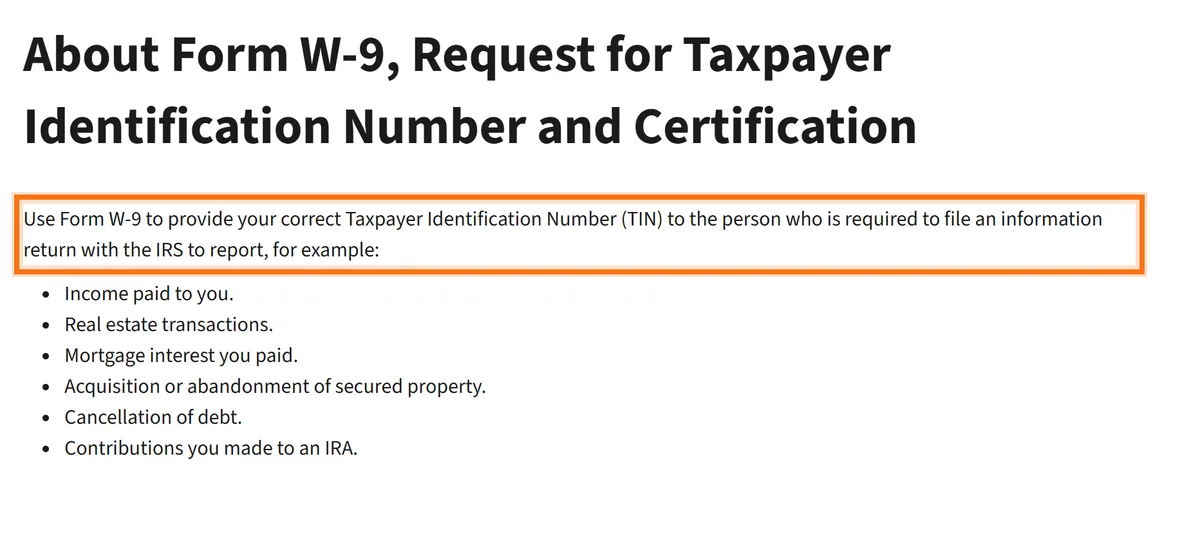
- The LLC's EIN and a W-9 in the LLC's name, so year-end forms are issued correctly.
- The LLC's bank account details for disbursements and reserve deposits.
- The deed showing the LLC as owner, or the recorded transfer if you moved the house into it.
- The insurance policy naming the LLC as the insured.
A manager who does not ask for these is not protecting you. The full-service management page describes the onboarding steps where these documents fit, and most of them take minutes to gather if the entity was set up properly.
The LLC document checklist, with where each item comes from
Here is every document we ask an LLC owner for before a Texas management agreement is signed, where you get it, and why it matters:
| Document | Where it comes from | Why the manager needs it |
|---|---|---|
| Certificate of formation | Filed with the Texas Secretary of State | Shows the LLC exists and its exact legal name |
| Operating agreement pages on authority | Your LLC records | Shows who may sign the agreement and approve repairs |
| EIN | IRS confirmation letter | The taxpayer number year-end forms are issued under |
| Form W-9 in the LLC's name | IRS form, signed by the LLC | Gives the manager the correct name and number for reporting |
| Recorded deed | County property records (Tarrant County Clerk for most of our homes) | Proves the LLC, not you personally, owns the house |
| Landlord insurance declarations page | Your insurance agent | Shows the LLC as the named insured |
| LLC bank account details | Your bank | Where rent and the reserve are paid |
How to read this table: the first two rows prove the LLC can act, the next two are for taxes, and the last three prove the house is really run through the entity. If the deed or the policy row comes back in your personal name, fix that with your attorney or agent before the lease is signed; it is much harder after a claim.
The two gaps that undo the LLC
The first gap is the deed. Many owners form an LLC, open a bank account and tell the manager the house is LLC-owned, when the county records still show the house in their personal name. An LLC that does not own the house provides no protection for it. If you have not recorded a transfer, talk to an attorney before the lease is signed, because the landlord on the lease should match the owner on the deed.
The second gap is the bank account. Rent must be disbursed to an account in the LLC's name, and the LLC's expenses, including the management fee, repairs, insurance and taxes, should be paid from it. The manager's statements make this easy because every transaction is already itemized. Owners who route rent through a personal account for convenience are keeping the paperwork of an LLC without the substance. Separate books are also what makes year-end reporting clean; the bookkeeping basics guide explains the records to keep.
Insurance, the lender and the HOA
The landlord policy should name the LLC as the insured, with you as an additional insured if your agent recommends it. A policy in your personal name on a house the LLC owns can create a coverage problem at claim time. Tell your insurance agent the entity owns the house and let them write it correctly.
If there is a mortgage in your personal name, transferring the deed to an LLC can raise questions under the loan's terms, and lenders differ in how they treat it. Some owners refinance in the LLC's name; some confirm the lender's position in writing before transferring. This is a conversation to have with the lender and an attorney, not something a manager can resolve. If there is an HOA, notify it of the ownership change so notices and dues statements reach the right party. The manager can act as the LLC's contact for the association.
What changes day to day: almost nothing
Once the setup is right, management of an LLC-owned house is identical to any other. Tenants call the manager, repairs go to vetted vendors, inspections are documented, and the monthly statement arrives in the owner portal. The only visible differences are the name on the lease and the account the disbursement lands in.
Approvals still come to a person, the authorized member named in the agreement, and if your LLC has more than one member, decide in advance who speaks for it on management matters so the manager is not waiting on a vote for a water heater; how a manager works with two owners covers that setup. At year end, the manager issues the tax form in the LLC's name, and your CPA uses the statements to prepare whatever return the entity files.
Several houses, one LLC or several
Owners with more than one rental ask whether each house should have its own LLC. That is a legal and tax question for your attorney and CPA, and the answer depends on your risk profile and the cost of maintaining multiple entities. From the management side, either structure works: a manager can keep separate accounting per property within one entity, or separate agreements and disbursements per entity. What matters is that each house's rent, expenses and reserve are tracked separately so the records stand on their own.
This is general information, not legal or tax advice. Whether to form an LLC, how to fund it and how to hold multiple properties are decisions to confirm with an attorney and a CPA who know your situation.
How Perpetual handles this
Perpetual Property Management is broker-owned and local to Keller, North Richland Hills and Fort Worth, and we manage LLC-owned rentals on the same terms as any other, with the entity set up correctly from the first document. The management agreement is with the LLC, signed by the authorized member, and we collect the formation documents, the EIN and W-9, the deed and the insurance policy before anything is listed. The lease is Texas-compliant and names the LLC as landlord, and we sign as its agent.
Rent is disbursed to the LLC's account, every expense is itemized on the monthly statement in the owner portal, and the year-end form is issued in the entity's name so your CPA has clean records. If the deed, the policy or the bank account does not match the entity, we will tell you before the tenant moves in rather than after a claim. Every fee is in a written quote before you sign, and the rent collection service page explains how collection and disbursement work for an entity account.
If you own several homes through one or more entities, our AppFolio owner portal gives you statements, documents and disbursement history, and per-door reporting lets you judge each home on its own numbers. Our pricing page lists three plans, including Investor Special for portfolios of five or more units, and every number is confirmed in writing before you sign.
The takeaway: A manager can run an LLC-owned rental without difficulty, as long as the deed, the lease, the insurance and the bank account all say the same name, because an LLC only protects a house it actually owns and operates.
Questions owners ask
Does the property manager need to see my LLC operating agreement?
Usually the pages that show who is authorized to sign for the LLC, rather than the entire document. The manager needs to know the person signing the management agreement and approving decisions has authority to bind the entity. If the LLC has several members, naming one as the management contact in the agreement avoids delays.
Can rent be deposited to my personal account if the LLC owns the house?
It can be, but it should not be. Mixing LLC income with personal funds is the kind of commingling that weakens the entity's separation if it is ever tested in court. Have disbursements sent to an account in the LLC's name and pay the house's expenses from it. The manager's itemized statements make the bookkeeping simple.
Should the lease name me or the LLC as landlord?
The landlord on the lease should match the owner on the deed. If the LLC owns the house, the LLC is the landlord and the manager signs as its agent. A lease in your personal name on an LLC-owned house creates confusion about who the tenant's obligations run to and can undermine the entity.
Will transferring my rental into an LLC affect my mortgage?
It can. Lenders differ in how they treat a transfer of title to an entity on a loan made to an individual, and some loan documents address it directly. Confirm the lender's position in writing before transferring, and talk to an attorney about the options. The manager cannot advise on this but can wait to list until the ownership question is settled.
What documents does a property manager need from my LLC?
Expect seven items: the certificate of formation filed with the Texas Secretary of State, the operating agreement pages showing who may sign, the EIN, a W-9 in the LLC's name, the recorded deed showing the LLC as owner, the insurance declarations page naming the LLC, and the LLC's bank account details for disbursements.
Do year-end tax forms go to me or to the LLC?
To the LLC, under its EIN, which is why the manager asks for a W-9 in the LLC's name. Your CPA then uses the monthly and year-end statements to prepare whatever return the entity files. This is general information, not tax advice.
Property management in Keller, North Richland Hills and Fort Worth. How full-service management works in Tarrant County →