Key takeaways
- Texas law does not require renters insurance; the Texas Department of Insurance says some landlords require it, so it belongs in the lease.
- Renters insurance has three parts: personal property, additional living expenses and personal liability. Liability is the part that protects the owner.
- TDI puts the average Texas renters policy at about $20 a month.
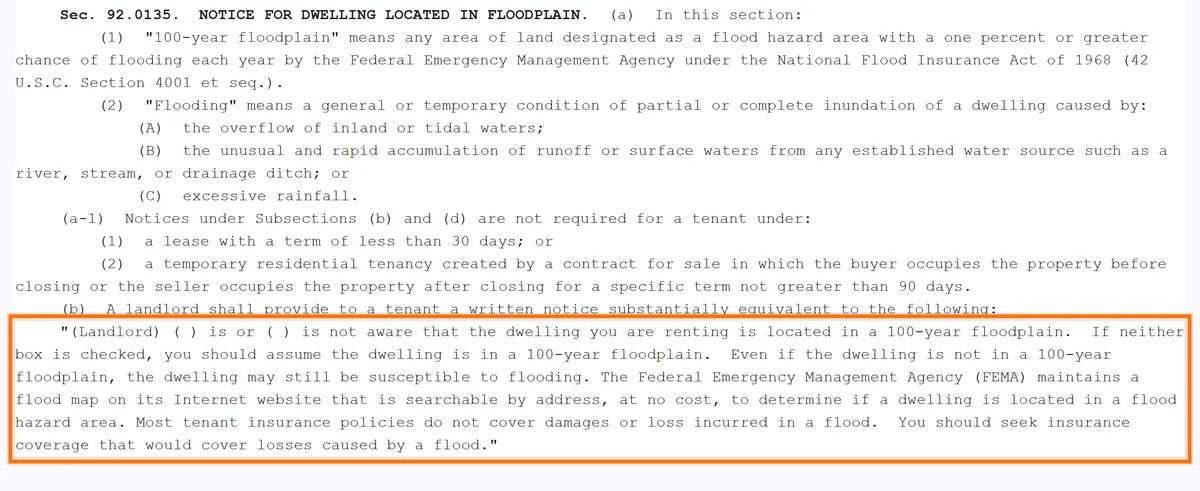
- Most tenant policies do not cover flood, which the signed floodplain notice required with a Texas lease of 30 days or more must say (Property Code 92.0135).
- Apply the requirement to every tenant, verify it before keys, and get listed as an interested party so a lapse cannot hide.
Should you require tenants to carry renters insurance on a rental in Fort Worth, Keller or North Richland Hills? Yes, for nearly every house. Texas law does not make renters insurance mandatory, but a landlord may require it in the lease. A renters policy with personal liability responds when the tenant causes a loss, such as a grease fire or a tub left running, which can keep that claim and its deductible off your landlord policy. The Texas Department of Insurance puts the average Texas policy at about $20 a month.
How the two policies interact by type of loss is covered in requiring renters insurance: why it protects the owner too. This article is the owner's decision and the three choices that make the requirement real: the minimum, the verification and the lapse.
Why the answer is yes for nearly every house
Your landlord policy covers the building and your liability as owner. It does not cover the tenant's negligence in a way that spares you: if the tenant starts a kitchen fire, your policy pays for the house, you pay the deductible, and your premium may rise. If the tenant has a renters policy with liability coverage, your insurer can look to that policy first, and the tenant's own insurer handles the tenant's share. The same applies to water damage from a tenant's washing machine hose, a guest injured on a rug the tenant left loose, or a dog that bites a visitor.
There is a quieter benefit. A tenant whose belongings are insured does not come to you after a burst pipe asking you to replace their furniture, which you are generally not liable for but will be asked about anyway. Renters insurance converts an awkward conversation into a phone call the tenant makes to their own agent.
What a Texas renters policy includes, and which part matters to you
The Texas Department of Insurance describes three parts in a typical renters policy. Here is what each pays for and why an owner cares:
| Part of the policy | What it pays for (TDI) | Why it matters to the owner |
|---|---|---|
| Personal property | The tenant's belongings, including items stolen from a car or while traveling | A tenant whose things are insured does not look to you after a burst pipe or a break-in |
| Additional living expenses | Extra costs of food and housing if the tenant must move out for a short time after a covered loss | Takes pressure off the owner during repairs after a fire or water loss |
| Personal liability | Protects the tenant if someone is injured in the home and pays legal costs if the tenant is liable | The part that keeps tenant-caused claims off your landlord policy |
| Flood | Not covered by renters policies; flood is a separate policy | Your landlord policy usually excludes it too, and the lease flood notice says so |
How to read this table: require the third row and encourage the first two. A lease that requires "renters insurance" without naming liability can be met by a policy that does little for you. The flood row is the reminder that neither side's usual policy covers rising water.
Set the minimum in the lease, and keep it simple
The lease clause should state four things:
- That the tenant must carry a renters policy for the full lease term.
- A minimum personal liability limit. Many owners use a round figure, say $100,000, as an illustrative example; your insurance agent can tell you what fits your house and your own policy.
- That the owner and the management company are listed as an interested party or additional interest, so the insurer notifies them of cancellation.
- That failure to maintain the policy is a breach of the lease.
Keep it to liability as the required element. Contents coverage is in the tenant's interest and usually comes bundled, but it is not what protects you. Avoid naming a specific insurer or product; the tenant can buy the policy anywhere. No Texas statute sets the amount, so the limit is your choice, applied the same way to every tenant. The guide on landlord insurance versus homeowners insurance explains where your own policy ends and the tenant's should begin.
Verify before keys, not after
A requirement that is never checked is a suggestion. The manager asks for the declarations page before the move-in appointment, confirms the named insured matches the tenant, the address matches the house, the liability limit meets the minimum, the policy period covers the move-in date, and the interested party is listed. If any item is missing, keys wait. Tenants almost always sort it out within a day once they know it is a real condition.
Say a tenant arrives for move-in at your North Richland Hills house with a confirmation email but no declarations page showing the interested party. The manager holds the keys, the tenant calls the insurer from the driveway, the updated page arrives by email, and move-in proceeds an hour late. That hour is what makes the clause mean something for the next twelve months. Do the check at the same appointment as the move-in condition report, so both are on file from the first day.
When the policy lapses mid-lease
Policies lapse when a card expires or a tenant decides to save a few dollars. The interested party listing is what tells you: the insurer sends a cancellation notice to the manager. The manager then sends the tenant a written notice that coverage must be reinstated by a stated date, treats a continued lapse as a lease breach, and follows the lease's default provisions if it is not reinstated.
Without the interested party listing, you find out about the lapse when there is a claim, which is the worst moment. This is why the clause and the verification matter more than the minimum limit. Re-verify at renewal too, so each new term starts with a current policy on file; lease renewal is the natural checkpoint.
Where the requirement earns its keep
A few situations make renters insurance more than a formality. Pets, especially dogs, because animal liability is the claim most likely to involve a visitor and a lawsuit. Pools, because a guest injury is a liability event before anyone asks whose fault it was. Older houses with older plumbing, because water losses are the most common tenant-caused claim. And tenants with children and frequent guests, for the same reason. In each case the tenant's liability coverage is the first line and your landlord policy is the second.
Two cautions. First, renters insurance does not replace your landlord policy, your umbrella coverage, or the tenant's responsibility for damage under the lease; the policy is a payer, not a substitute for the clause. Second, apply the requirement to every tenant. A manager requiring it from some households and not others has created a fair housing problem out of an insurance clause.
This is general information, not legal or insurance advice. Confirm limits and policy interactions with your insurance agent.
How Perpetual handles this
Perpetual Property Management is broker-owned and local to Keller, North Richland Hills and Fort Worth. Our leases use current Texas forms with the addenda each property actually needs, and whether a home's lease requires renters insurance, and at what liability limit, is a term to settle with us when the lease is prepared. Every adult applicant is screened against our published rental criteria, applied the same way to everyone.
You see the signed lease and the move-in condition report in the owner portal, and every fee is in your written management agreement; if a fee is not in it, you do not pay it. Our leasing service page explains how a lease is prepared and signed.
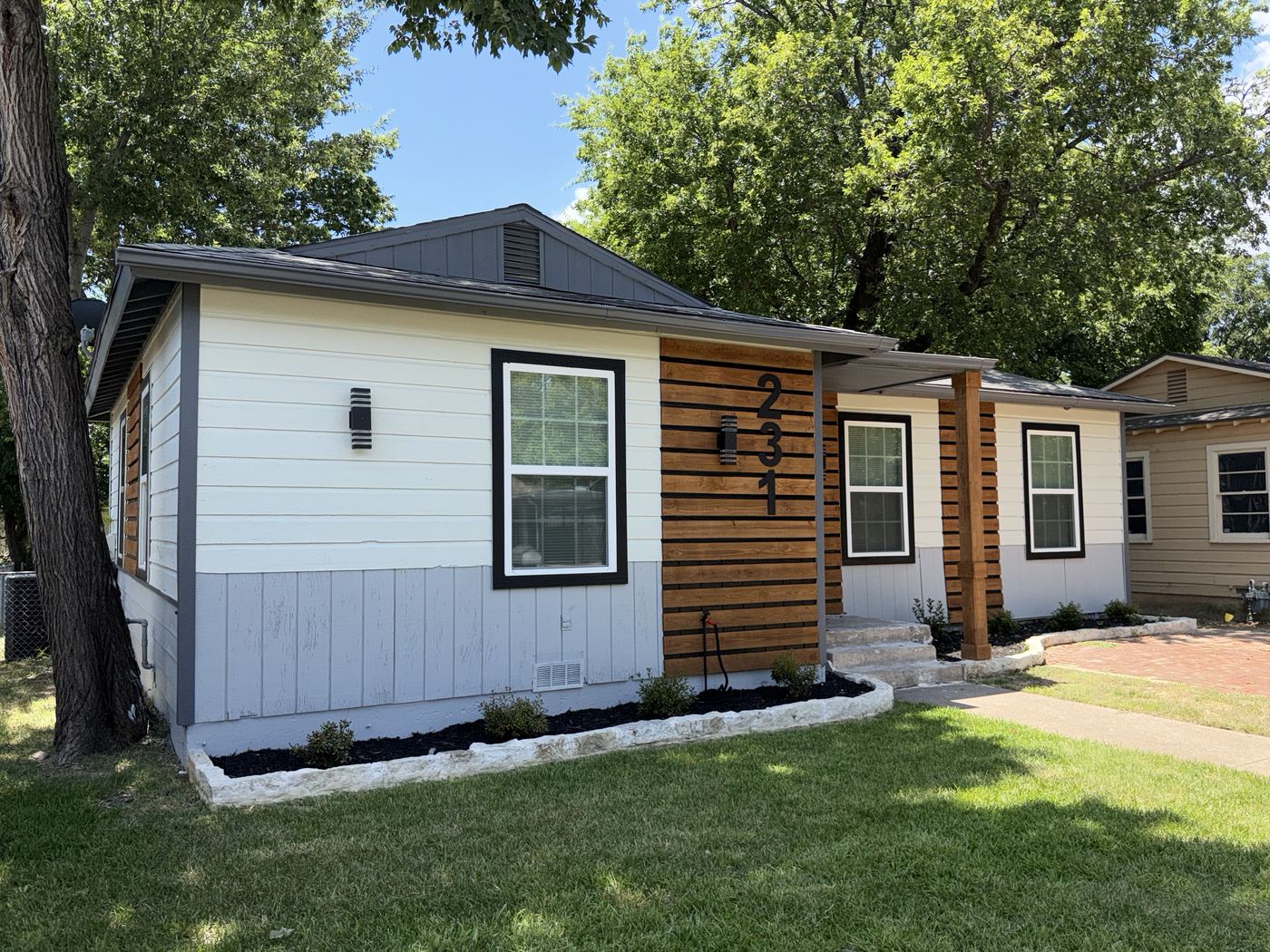
The takeaway: Require it, set a liability minimum, verify it before keys and get listed as an interested party so a lapse cannot hide.
Questions owners ask
Can a landlord require renters insurance in Texas?
Yes. Texas law does not require tenants to carry renters insurance, and the Texas Department of Insurance notes that some landlords require it. Put the requirement in the lease with a minimum liability limit, apply it to every tenant equally, and collect proof before move-in.
How much renters insurance should a landlord require?
No Texas statute sets an amount, so the required element is personal liability coverage at a limit you choose. Many owners use a round figure such as $100,000 as an example; ask your own insurance agent what fits your house and your landlord policy. Contents coverage is in the tenant's interest but is not what protects you.
What does it mean to be listed as an interested party on renters insurance?
The insurer sends the owner or manager notice if the policy is canceled or not renewed, and some insurers confirm the policy is in force. It does not make the owner an insured under the tenant's policy. It is the mechanism that lets the manager catch a lapse before a claim.
What if a tenant refuses to buy renters insurance?
Then they are declining a condition of the lease, and the application does not proceed to move-in. In practice refusals are rare once tenants hear the cost. For a lapse mid-lease, the manager sends a written notice with a deadline and treats a continued lapse as a breach under the default provisions.
Is renters insurance mandatory in Texas?
Not by law. The Texas Department of Insurance says renters insurance is not required by law but some landlords require it. When the lease requires it, it becomes a condition of that lease, and the tenant should have the policy in place before signing or before move-in, as the lease states.
What should I ask an agent about personal liability coverage on renters insurance?
Ask what liability limit the policy carries, whether it covers damage the tenant accidentally causes to the rented home, whether it includes medical payments to guests, how it treats the tenant's dog, and whether the landlord can be listed as an interested party to be told of a cancellation. Flood is not covered, so ask about separate flood coverage if the home is near a floodplain.
Related services
Property management in Keller, North Richland Hills and Fort Worth. How full-service management works in Tarrant County →