Key takeaways
- Homeowners insurance assumes the owner lives there; a landlord (dwelling) policy is written for a rented home.
- Only a landlord policy pays your lost rent while the home is uninhabitable after a covered loss.
- Neither policy covers the tenant's belongings: require renters insurance in the lease.
- Vacancy narrows coverage: the Texas Department of Insurance notes most companies stop coverage when a house is vacant 60 days or more.
- Flood is excluded from standard policies and most flood policies have a 30-day wait, so check the flood map before you need it.
Landlord insurance and homeowners insurance cover the same house in different situations. A homeowners policy is priced and written for an owner who lives in the home; a landlord policy, often called a dwelling or rental property policy, is written for a home occupied by tenants. The day a tenant moves into your house in Keller, North Richland Hills or Fort Worth, the homeowners policy you have been paying for may stop doing its job, because most policies exclude or limit a home occupied by someone else, or allow the insurer to deny a claim when the occupancy changed without notice.
Every owner I onboard gets the same question before we list: have you told your insurer, and do you have a landlord policy in force? The answer is no more often than you would expect. This guide covers what changes, what the new policy should include, and what to require from the tenant.
Why a homeowners policy may not cover a rental
A standard homeowners policy covers the dwelling, your personal property, liability for injuries on the property, and additional living expenses if you are displaced. All of it is built on the assumption that the named insured occupies the home. Renting changes the assumptions in three ways.
- Occupancy: most policies require you to notify the insurer of a change in occupancy. An undisclosed tenant can be grounds to deny a claim or cancel the policy.
- Liability: injury to a tenant or a tenant's guest is a different exposure than injury to a visiting friend, and homeowners liability may not respond.
- Loss of use: homeowners coverage pays your living expenses if the house is uninhabitable. It does not pay the rent you lose when a tenant cannot live there.
Some insurers will endorse a homeowners policy for a short rental period, but a home leased for a year or more almost always needs to move to a landlord policy. Call your agent before the listing goes live, not after the first claim.
Landlord vs homeowners insurance, side by side
What each policy is built to do once the house is rented:
| Coverage | Homeowners policy | Landlord (dwelling) policy |
|---|---|---|
| Who it is written for | An owner who lives in the home | An owner who rents the home to tenants |
| The house and attached structures | Yes, while you live there; a rented home may be limited or excluded | Yes, for the perils the policy names |
| Fences, sheds, detached garage | Yes, as other structures | Yes, as other structures |
| Your belongings | Your household contents | Only what you leave for the tenant's use, such as appliances |
| Tenant's belongings | No | No; the tenant's renters policy covers them |
| Liability | Injuries to guests at your own home | Claims arising from the rental, including the tenant's own claims |
| After a covered loss | Your living expenses while you cannot live there | The rent you lose while the tenant cannot live there |
How to read this table: the first two rows show why the homeowners policy is the wrong tool once a tenant moves in, and the last row is the difference owners feel most. A homeowners policy pays for your hotel; a landlord policy pays the rent you stop receiving while the house is repaired, which is what covers the mortgage. Exact coverages vary by company, so confirm each row with your agent in writing.
What a landlord policy covers
A landlord policy, often called a dwelling or rental property policy, is written for a home occupied by tenants. The core coverages are the ones an owner actually needs.
- Dwelling: the structure, attached structures and the systems in it, against the perils the policy names. Ask whether the policy is written on a broad or named-peril basis and whether it pays replacement cost or actual cash value.
- Other structures: fences, detached garages and sheds, which matter in a North Texas hailstorm.
- Owner's personal property: appliances, window coverings and anything else you leave in the home for the tenant's use. The tenant's belongings are not covered.
- Liability: injury or property damage claims arising from the rental, including the tenant's own claims against you, with defense costs.
- Loss of rent: the rental income you lose while the home is uninhabitable after a covered loss, which is the coverage owners most often skip and most often need.
The line-by-line list of coverages to request, with the roof and deductible terms, is in what landlord insurance you need before renting out your house. Optional endorsements worth asking about include water and sewer backup, equipment breakdown for HVAC and water heaters, vandalism and malicious mischief by a tenant, and ordinance or law coverage for code upgrades required during a repair.
What matters in North Texas specifically
Hail and wind are the losses we see most on Tarrant County rentals. Check how the policy handles the roof: some policies pay replacement cost for a roof, some pay a depreciated amount based on its age, and the difference on a full replacement is substantial. The wind and hail deductible is often a percentage of the dwelling coverage rather than a flat amount, so know the number in dollars.
Foundation movement from soil conditions is generally not a covered peril, though sudden damage from a plumbing leak under the slab sometimes is, depending on the policy's wording. Our guide to foundation and plumbing issues in North Texas rentals covers why that line matters here.
Flood is not included in a standard landlord policy. If any part of the lot is in or near a flood zone, a separate flood policy is the way to cover it; the next section shows how to check. Freeze damage from burst pipes is usually covered if reasonable steps were taken to maintain heat, which is why our leases and winter tenant notices address it.
Check the flood map before the lease starts
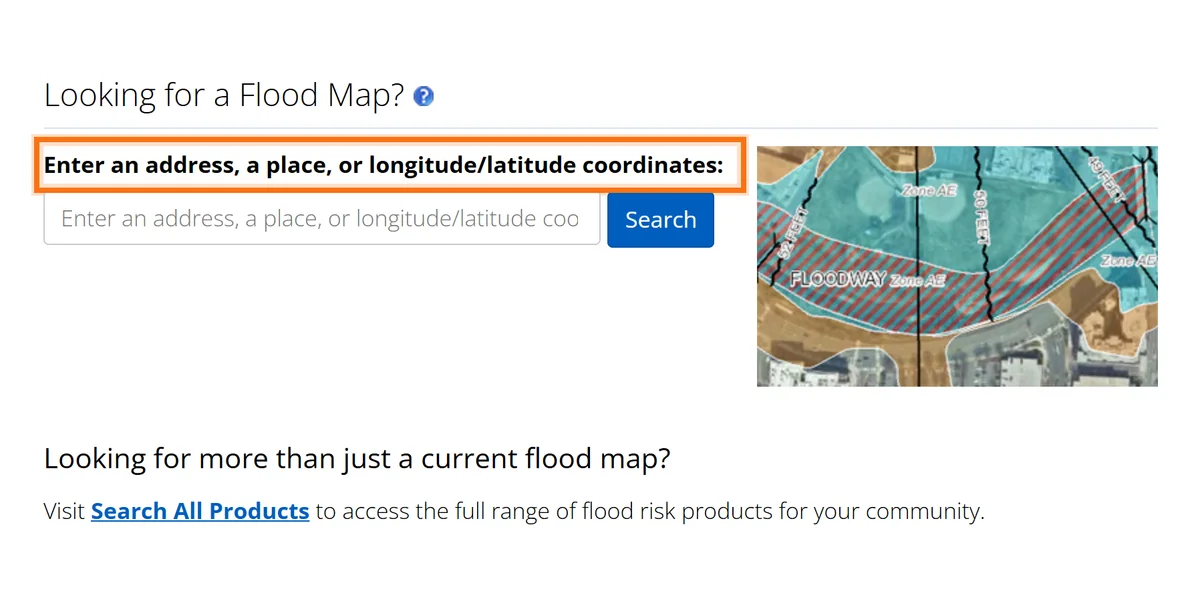
Flood is the gap neither policy fills. The Texas Department of Insurance's home insurance guide says most home policies do not cover damage caused by floods, and that most flood policies have a 30-day waiting period before they take effect, so a flood policy bought when the forecast turns is usually too late. Owners of rentals near creeks and low ground in Tarrant County should look the address up on FEMA's flood map before the lease starts and decide then.
The FEMA Flood Map Service Center is free: type the property address into the search box and the map shows whether the lot sits in a mapped flood zone. A home outside a high-risk zone can still flood, so the map informs the decision rather than making it; your agent can price a separate flood policy either way.
Vacancy clauses: the gap between tenants
Most landlord policies restrict or suspend certain coverages if the home is vacant for longer than a stated period, commonly measured in days, and vandalism and water damage are the first coverages to fall away. For homeowners policies, the Texas Department of Insurance notes that most companies stop coverage if the house is vacant for 60 days or more, though they usually do not stop liability coverage. An owner whose house sits empty through a long make-ready, or who lists it at the wrong price and waits months for a tenant, can be uninsured for the losses most likely to happen to an empty house.
Know the vacancy period in your policy and tell your agent when the home will be empty beyond it. A vacancy endorsement or a short-term vacant dwelling policy fills the gap. A manager who keeps make-ready tight and prices the home correctly from day one, which is what our rental pricing process is for, shortens the exposure in the first place.
During any vacancy, the home should be checked regularly, the water heater and HVAC left in a safe state, and the thermostat set to protect against freezing. Those steps also satisfy the "reasonable care" language most policies require.
Require renters insurance in the lease
Your landlord policy does not cover the tenant's belongings, and the tenant's negligence can cause a loss on your property that your insurer will pay and then try to recover. A renters policy covers the tenant's personal property, gives them liability coverage if they start a kitchen fire or let a bathtub overflow into the ceiling below, and often covers their relocation costs after a loss so they are not asking you for them.
We require renters insurance as a lease condition, with the owner or the management company listed as an interested party so we are notified if the policy lapses. Proof is collected at move-in and tracked through the lease. The cost to the tenant is modest, and a tenant who objects to it is telling you something about how they will treat the home.
Where the lease allows, the tenant's policy is the first place a loss they caused is paid from, which keeps claims off your landlord policy and keeps your premiums where they are. Our leasing process handles the requirement and the tracking.
Who to tell: insurer, lender and HOA
Three parties need to know the home is becoming a rental, and owners regularly skip two of them.
The insurer, as covered above. The mortgage lender, because many loans on a primary residence contain an occupancy requirement for a period after closing, and converting earlier can breach it; the lender will also want to see the landlord policy listed with its interest. The HOA, if there is one, because many associations require tenant registration or have leasing rules, which our guide to HOA rules and rental property explains.
Once the policy is in place, give your manager a copy of the declarations page and the agent's contact. When a storm comes through, we document the damage and start the claim the same day, and the owner is not searching for a policy number.
Liability limits, umbrella coverage and how the manager fits in
Liability is the coverage that protects everything else you own, so the limit on a landlord policy deserves a conversation rather than a default. Many owners add a personal umbrella policy that sits over the landlord liability coverage and their auto and home coverage, at a cost that is small relative to the protection. Owners with several rentals, or who hold them in an entity, should ask whether the policies and the entity match.
Management agreements commonly ask the owner to name the manager as an additional insured on the liability coverage, since the manager is acting on the owner's behalf on the property. We ask for it, and our own coverage is in place for our work, which is one of the questions to ask any manager you interview.
This article is general information about insurance for rental property, not insurance, legal or tax advice. Policies differ, so confirm coverage with a licensed insurance agent and, where it affects your ownership structure, an attorney or CPA. If you are converting a home to a rental and want the full list of what to put in place first, our conversion guide lays it out in order.
The takeaway: Before a tenant moves in, move the house to a landlord policy with loss of rent and adequate liability, require renters insurance in the lease, and tell your insurer, lender and HOA, because a claim denied for undisclosed occupancy is a loss you cannot recover.
Questions owners ask
What landlord insurance do I need before renting out my house?
A landlord policy, sometimes called a dwelling or rental property policy, in force before the tenant moves in. It should cover the dwelling and other structures, liability for injury or damage claims arising from the rental, and loss of rent while the home is uninhabitable after a covered loss. In North Texas, check how the policy treats the roof and the wind and hail deductible, and know the vacancy period after which coverage narrows. Require renters insurance in the lease, and notify your insurer, lender and HOA. Perpetual asks every owner for the declarations page at onboarding so a storm claim can be started the same day.
Is landlord insurance more expensive than homeowners insurance?
Often it costs somewhat more, because the insurer views a tenant-occupied home as a higher risk and the policy adds coverages such as loss of rent. The premium is a deductible rental expense, and it is small compared with a denied claim after a hailstorm or a tenant injury.
Does landlord insurance cover tenant damage?
It depends on the policy. Sudden accidental damage from a covered peril is usually included, intentional damage by a tenant may require a vandalism endorsement, and gradual damage from neglect is typically excluded. The tenant's security deposit and renters liability coverage are the first sources of recovery for damage they cause.
Can I require my tenant to carry renters insurance in Texas?
Yes. A lease can require the tenant to maintain renters insurance for the term, name the owner or manager as an interested party, and provide proof at move-in. It protects the tenant's belongings and gives them liability coverage for losses they cause, which keeps those claims off the owner's policy.
Can I keep my homeowners insurance and rent the house out?
Not safely. Most homeowners policies exclude or limit claims once the home is rented, and an insurer that learns of a tenant at claim time can deny the claim. Tell the insurer before the lease starts and switch to a landlord policy.
Does homeowners insurance cover tenants?
No. Neither a homeowners nor a landlord policy covers a tenant's belongings or the tenant's own liability. The tenant needs a renters policy, and the lease can require one. Your own homeowners policy may also limit or deny claims once the house is rented, which is why the policy should change to a landlord policy before the tenant moves in.
How do I convert homeowners insurance to landlord insurance?
Call your agent or insurer before the lease starts and say the home is becoming a rental. Ask for a landlord or dwelling policy with dwelling, other structures, liability and loss of rent, check the roof terms, the wind and hail deductible in dollars and the vacancy period, and set the start date to the day the homeowners policy ends so there is no gap. Then send the new declarations page to your lender and your manager.
Property management in Keller, North Richland Hills and Fort Worth. How full-service management works in Tarrant County →