
Key takeaways
- Order matters: mortgage, insurance, HOA, taxes, then utilities and keys, all before a tenant signs.
- Insurance has to change. A dwelling policy usually covers the house and other structures but not liability, per the Texas Office of Public Insurance Counsel, so add liability.
- The homestead exemption and the 10% appraisal cap end; notify the appraisal district in writing before May 1 (Tax Code 11.43(g)).
- The federal home sale exclusion needs 2 years of ownership and 2 years of use in the 5 years before the sale (IRS Topic 701).
- An HOA may ask for tenant contact details and lease dates, but not for approval of the tenant (Property Code 209.016).
Turning the house you live in into a rental is an administrative project before it is a leasing project. The order matters: mortgage review before the lease, insurance before the tenant, HOA confirmation before marketing, and a conversation with your CPA before the first rent check arrives.
Owners who do these in the wrong order usually find out during a claim, a fine or a tax return. Here is the sequence I give owners in Keller, North Richland Hills and Fort Worth, with what each step actually involves and the official rule behind it.
Step one: read your mortgage before you do anything else
Most residential loans are written for an owner-occupant and require you to live in the home for a stated period after closing. After that period, converting to a rental is generally allowed without refinancing, but the note and deed of trust are the final word. Pull them up and read the occupancy section.
If you are still within the occupancy period, call the servicer before you lease. Circumstances like a job transfer are often accommodated, but you want that in writing. If you have a loan type with its own occupancy rules, such as a VA or FHA loan, those rules apply as well. Keep a copy of the servicer's reply with your lease file; a lender who later questions the occupancy wants to see that you told them.
Two more items. If you have an escrow account, your property tax bill will change once the homestead exemption comes off, and your payment will adjust. And if you were planning to pull equity to buy the next house, a cash-out refinance is usually easier while the home is still your primary residence.
Step two: convert the insurance before the tenant moves in
You cannot simply keep the homeowners policy. It is written for a home the owner lives in, so once a tenant is in, you need a landlord policy, often called a dwelling policy. The Texas Office of Public Insurance Counsel shows the two side by side, and the difference is larger than most owners expect:
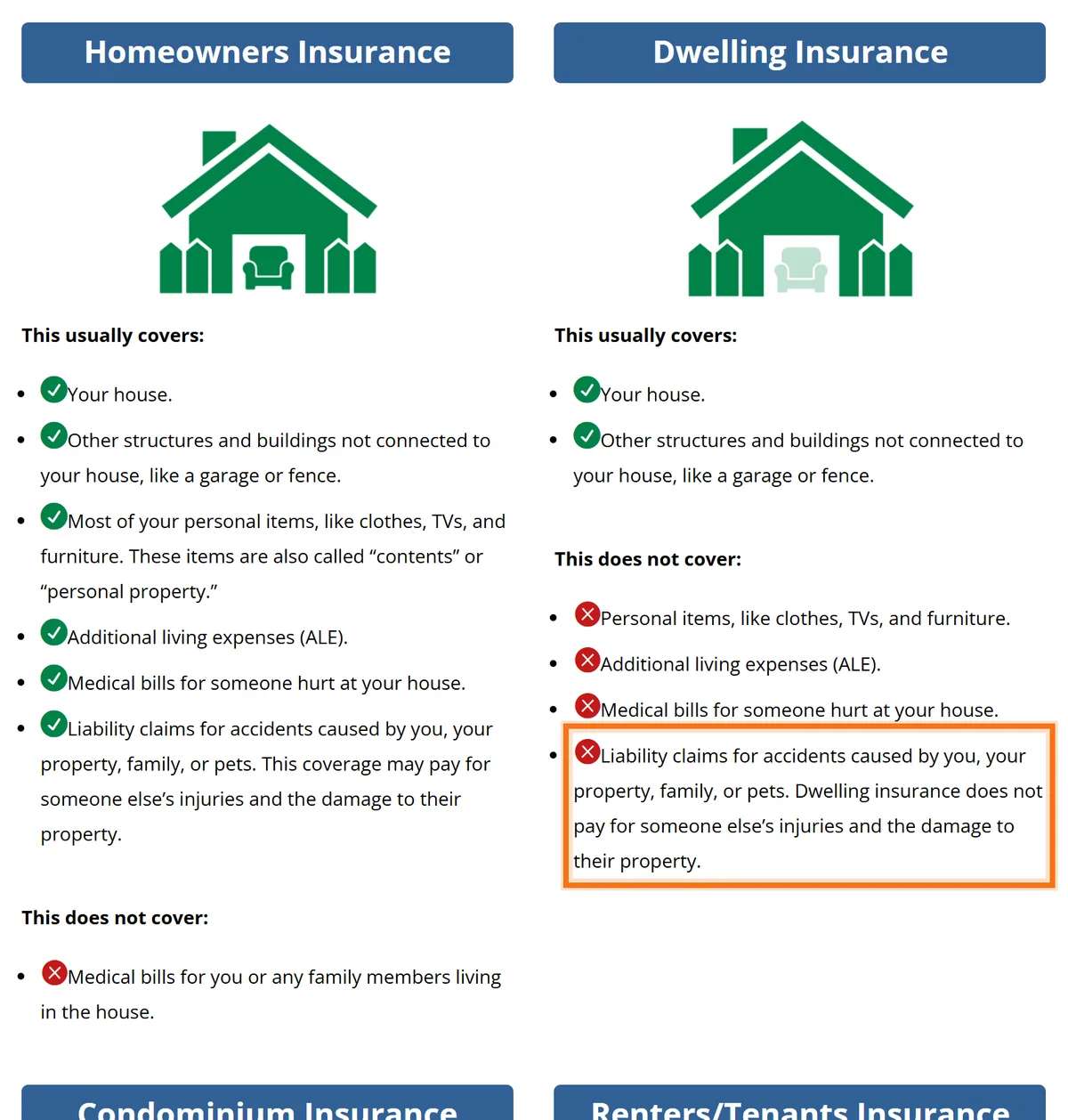
So converting the insurance is two requests, not one: the dwelling policy, and liability coverage added to it. Ask about loss of rent as well, which pays if the house becomes unlivable after a covered event. The tenant's belongings are not covered by your policy; that is what renters insurance is for, and the lease should require it.
Call your agent with the planned lease start date and ask them to switch coverage effective that day. Ask whether an umbrella policy makes sense and whether the carrier has any requirement about the tenant's renters policy. Keep the new declarations page with your lease file. If the house will sit vacant between your move-out and the tenant's move-in for more than a few weeks, tell the agent that too, since vacancy can affect coverage. The landlord insurance guide covers the differences in detail.
Step three: confirm the HOA rules in writing
Many associations in Northeast Tarrant County allow leasing with conditions, and a few restrict it more tightly. The governing documents control, and violations are fined to the owner, not the tenant.
Texas law limits what an association can demand. Under Property Code 209.016 an HOA may not require that a lease or rental applicant be submitted to and approved by the association, and may not require the tenant's credit report or rental application. It may ask for the contact information of each person who will live in the home and the start date and term of the lease. Rules about leasing itself, such as minimum terms, apply when they are in a recorded dedicatory instrument.
Email the management company, ask for the current leasing rules and any registration form, and keep the reply. Give the tenant a copy of the rules that affect them, such as parking, trash days and exterior changes, and make the lease require compliance. More on this in HOA rules and your rental property.
Townhome and gated communities deserve a closer read than a typical single-family association, because their rules tend to be longer. If the documents are unclear about leasing, ask the board in writing rather than assuming silence means permission.
Step four: talk to your CPA before the first rent check
Converting a home to a rental changes your tax picture in three places, and each has an official rule you can read.
Property tax. The residence homestead exemption in Tax Code 11.13, including the $140,000 school district exemption, applies only to your principal residence, and the 10% yearly cap on appraised value in Tax Code 23.23 expires on January 1 of the first tax year you no longer qualify. Tax Code 11.43(g) requires you to notify the appraisal office in writing before May 1 after your entitlement ends. For a home in Tarrant County that is the Tarrant Appraisal District. Know the new bill before you set the rent.
Income tax. Rental income goes on Schedule E, ordinary expenses such as management fees, repairs, insurance and property tax are generally deductible, and the building is depreciated over 27.5 years. IRS Publication 527 sets the starting basis at the lesser of your adjusted basis or the fair market value on the date of conversion.
The sale exclusion. IRS Topic 701 lets a seller exclude up to $250,000 of gain on a main home, or $500,000 on a joint return, if the ownership and use tests are met: at least 2 years of each in the 5 years ending on the sale date. Rent the house for more than three years before selling and, in general, the use test fails.
This is general information, not tax advice. Sit down with a CPA before you lease, with your purchase documents and an idea of how long you plan to rent. The guide on rental property taxes in Texas gives the overview.
Step five: utilities, services and the things you forget
Decide what the tenant will carry and what you will. Most single-family leases in this area put electricity, gas, water and trash in the tenant's name, with the owner carrying nothing but the HOA dues. Schedule the transfer for the day after move-in so service is never interrupted.
- Cancel or transfer lawn care, pest control and any home warranty, or decide to keep them and account for the cost.
- Forward your mail and remove anything from the house that is not part of the rental, including the garage, attic and shed.
- Collect every key, remote, gate card and the alarm code. Change the locks so you know exactly who has access.
- Document the condition of the house with dated photos before the first showing. This becomes the move-in record.
One more item owners forget: the alarm monitoring contract. Either cancel it or transfer it to the tenant, and make sure the panel is not armed with a code only you know on move-in day.
How to turn a primary residence into a rental: the order, in one table
Here are the steps to turn a primary residence into a rental, with who to contact and what to have in writing before a tenant signs:
| Step | Who to contact | Get in writing | Rule or source |
|---|---|---|---|
| 1. Mortgage | Loan servicer | Confirmation that renting is allowed, or their reply to your notice | Your note and deed of trust |
| 2. Insurance | Insurance agent | Dwelling policy plus liability, effective the lease start date | Texas Office of Public Insurance Counsel |
| 3. HOA | HOA management company | Current leasing rules and any registration form | Property Code 209.016 |
| 4. Property tax | Tarrant Appraisal District | Your written notice that the homestead no longer applies, before May 1 | Tax Code 11.13, 11.43(g), 23.23 |
| 5. Income tax | Your CPA | Depreciation basis and how long you can rent before the sale exclusion is lost | IRS Publication 527, Topic 701 |
| 6. Utilities, keys, photos | Providers, locksmith | Dated photos of the house before the first showing | Becomes the move-in record |
How to read this table: work down it in order, and do not list the house until the first three rows are done, because those are the ones a tenant in place makes hard to fix. The right column tells you where to check the rule yourself. The leasing steps that follow are covered in the first-time landlord checklist.
Where a manager fits in the conversion
A manager does not do the mortgage, insurance or tax steps for you, but a good one will ask about each before listing the house, because an owner with a homeowners policy still in force and an HOA with a minimum lease term is an owner about to be put at risk. Ask any manager you interview to go through this list with you.
The timing also matters. A rental analysis done before the insurance and HOA steps gives you the rent number you need for the tax and escrow conversations, so get it early even if you are not ready to list.
From the rental analysis onward, Perpetual takes the leasing and the management: pricing from leased comparables, marketing, screening, the Texas lease, a photo-documented move-in report and everything after. A market-ready home is live on every major rental platform within 5 business days, or we waive the first month's management fee. Every fee is in writing before you sign. Start with a free rental analysis or call 682-593-7033.
The takeaway: Handle the mortgage, insurance, HOA and tax steps in that order before anyone signs a lease, because those are the four things that cannot be corrected once a tenant is in the house.
Questions owners ask
Do I have to refinance to turn my primary home into a rental?
Usually not, if you are past the occupancy period in your loan documents. Most owner-occupant loans require you to live in the home for a stated period after closing, and after that you can generally rent it on the same loan. Read the note and deed of trust, then notify the servicer in writing.
Will my property taxes go up when I rent out my house?
Generally yes. The homestead exemption in Tax Code 11.13 applies only to your principal residence, and the 10% appraisal cap in Tax Code 23.23 expires on January 1 of the first tax year you no longer qualify. Tax Code 11.43(g) requires written notice to the appraisal office before May 1 after your entitlement ends. Plan for the new number in your rent analysis.
Can my HOA stop me from renting my house?
Some associations restrict leasing or set minimum terms, and recorded governing documents control. But Property Code 209.016 bars an HOA from requiring approval of your tenant or a copy of the credit report or application; it may ask for tenant contact details and the lease dates. Get the current leasing rules in writing before you market the house. Fines go to the owner, not the tenant.
What happens to the capital gains exclusion if I rent my house and sell later?
IRS Topic 701 allows up to $250,000 of gain on a main home to be excluded, or $500,000 on a joint return, if you owned the home and used it as your residence for at least 2 years each during the 5 years ending on the sale date. Renting for more than three years before selling generally breaks the use test. Depreciation taken while it was a rental is handled separately, so ask your CPA before you convert.
Can I keep my homeowners insurance when I convert my home to a rental?
Plan on switching. A homeowners policy is written for a home the owner lives in, so ask your agent for a landlord (dwelling) policy effective the lease start date. The Texas Office of Public Insurance Counsel notes that a dwelling policy usually covers the house and other structures but not liability, medical bills or personal items, so add liability coverage and ask about loss of rent.
Is converting a second home to a rental property different?
The steps are the same, with two differences. A second home has no homestead exemption to remove, so the property tax notice does not apply. And the federal home sale exclusion covers a main home, so it is unlikely to apply to a house that was never your principal residence. A second-home loan has its own occupancy terms; read the rider and ask the servicer before leasing.
Property management in Keller, North Richland Hills and Fort Worth. How full-service management works in Tarrant County →