Key takeaways
- The core of the package is one annual statement that ties out to the deposits in your bank.
- A property manager reports the gross rent paid over to you on Form 1099-MISC, box 1. For tax years beginning after 2025 the threshold is $2,000, per the IRS instructions.
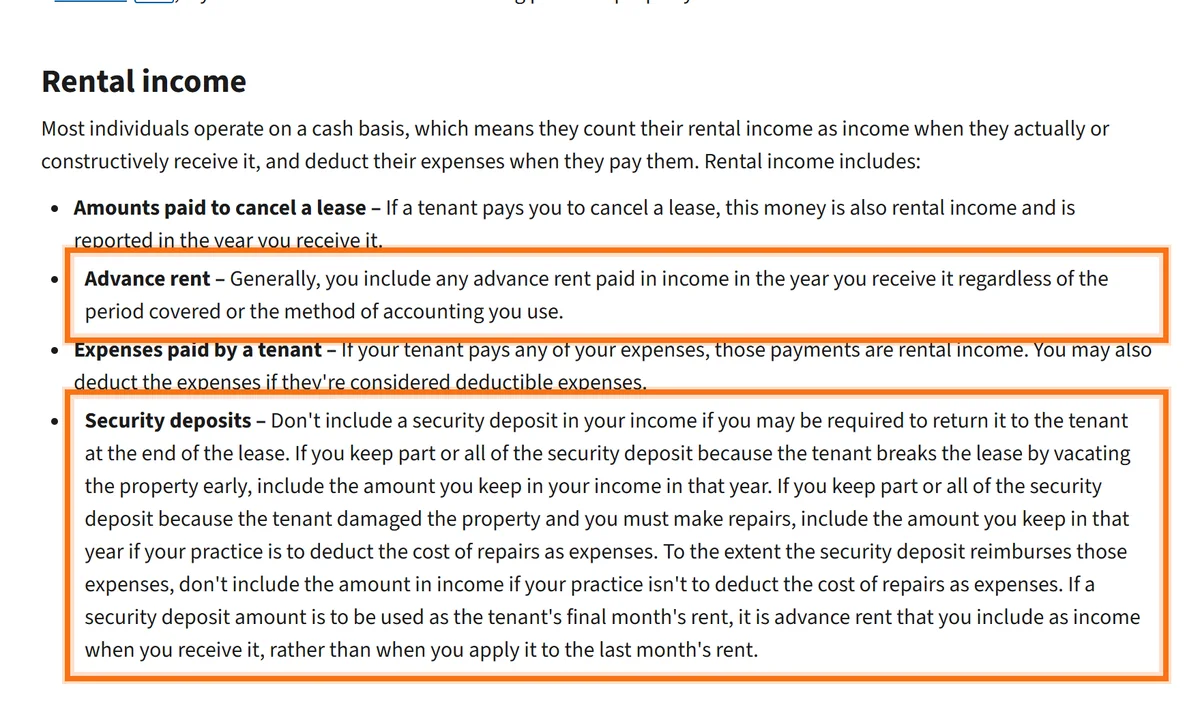
- A security deposit you may have to return is not income; advance rent is income in the year you receive it (IRS Topic 414).
- Sort expenses to the Schedule E lines and flag improvements separately from repairs.
- Keep basis records, such as the closing statement and improvement invoices, for as long as you own the house.
For a rental in Fort Worth, Keller or North Richland Hills, a year-end package is four things: one annual statement that ties out to your bank, the Form 1099-MISC for the rent your manager collected, the lender and property tax statements, and receipts for anything you paid yourself. Your CPA does not want a shoebox, and does not want a stack of twelve monthly statements either.
This guide covers what the package should contain, how the 1099 forms work and what changed for 2026, how expenses map to Schedule E, which items are routinely misreported, and what to keep. It is written for an owner using a property manager, with notes on what changes if you self-manage.
The annual owner statement
The foundation of the package is an annual statement from your manager that shows, for the whole year and for each property, every dollar of rent and other income collected, every expense paid from the trust account by category, management fees, and the net amount disbursed to you. It should also show the security deposit balance held, the reserve balance, and any amounts owed or carried into the new year.
Two things make it useful. It must tie out: income minus expenses minus fees should equal the disbursements that hit your bank, with any change in the reserve explaining the difference. And it must categorize expenses the way Schedule E does, so the CPA is reading a report rather than rebuilding one. The guide on how to read an owner statement explains the monthly version this annual report rolls up.
A Texas broker has to account for your money through the year, not only at the end. Texas Real Estate Commission Rule 535.146 requires a broker to keep a record of each deposit and withdrawal from the trust account and to give each beneficiary an accounting at least monthly when there has been activity. At Perpetual, monthly statements, invoices and documents are in the AppFolio owner portal, year-end reporting exports from it, and you can share access or the documents with your CPA directly.
The 1099 forms, in general terms
Two forms matter. A property manager who collects rent for you reports the rent paid over to you on Form 1099-MISC, box 1. The IRS instructions for the form say so directly: the real estate agent or property manager must use Form 1099-MISC to report the rent paid over to the property owner. The figure is gross rent, before fees and expenses, which surprises owners who expect to see the net amount they received. The expenses come off on your return, not on the form.
Separately, a business that pays a contractor for services reports it on Form 1099-NEC. When the manager paid the vendor from the trust account, the manager handles that. When you hired and paid a contractor yourself, ask your CPA whether the filing is yours.
The threshold changed. The IRS instructions state that for tax years beginning after 2025, the minimum for reporting rents on Form 1099-MISC and nonemployee compensation on Form 1099-NEC increased to $2,000, and it may be adjusted for inflation from 2027. It was $600 before. So a 1099 for rent collected during 2025 used the $600 line, and one for 2026 rent uses $2,000. Collect a completed Form W-9 from any vendor you pay directly before the first check.
Expense categories your CPA wants
Schedule E (Form 1040) organizes rental expenses into a fixed set of lines, 5 through 19, and the fastest year-end package is one already sorted into them. The categories are:
- Advertising and marketing.
- Auto and travel, where properly documented.
- Cleaning and maintenance.
- Commissions and leasing fees.
- Insurance.
- Legal and other professional fees, including tax preparation for the rental.
- Management fees.
- Mortgage interest paid to banks.
- Repairs.
- Supplies.
- Taxes, meaning property taxes.
- Utilities paid by the owner.
- Depreciation, which the CPA calculates.
- Other, with a description, such as HOA dues or pest control.
A manager's chart of accounts should map to these lines. If yours uses a single "maintenance" bucket for everything from a furnace replacement to a lightbulb, the CPA has to pull the invoices to separate repairs from improvements, and that takes billable time.
Where each document lands on Schedule E
Here is where the main items in a Tarrant County owner's package go on Schedule E (Form 1040) and who supplies the paper for each:
| Schedule E line | What goes there | Where the document comes from |
|---|---|---|
| Line 3, rents received | Gross rent for the year, before fees | Annual owner statement; Form 1099-MISC, box 1 |
| Line 8, commissions | Leasing and tenant placement fees | Annual owner statement |
| Line 9, insurance | Landlord policy premium | Declarations page from your agent |
| Line 10, legal and other professional fees | Tax preparation for the rental, attorney fees | Your CPA and attorney invoices |
| Line 11, management fees | Monthly management fee | Annual owner statement |
| Line 12, mortgage interest paid to banks | Interest only, never principal | Form 1098 from your lender |
| Line 14, repairs | Work that keeps the house in ordinary operating condition | Vendor invoices in the owner portal |
| Line 16, taxes | Property tax paid | Tax statement and receipt, or the lender escrow statement |
| Line 18, depreciation | The building and any improvements | Your CPA, from the closing statement and improvement invoices |
How to read this table: the first and last columns are the checklist. If a row's document is missing from your folder in January, that is the one to request first. Lines 8, 11 and 14 normally come from the manager, and lines 9, 12, 16 and 18 are yours to bring, because that money never passed through the trust account.
Repairs versus improvements: the sort that matters most
The single most consequential sort in the package is between a repair, which is generally deductible in the year paid, and an improvement, which generally must be capitalized and recovered over time through depreciation. In general terms, a repair keeps the property in its ordinary operating condition: patching a roof leak, replacing a failed water heater element, fixing a fence section. An improvement adds value, extends useful life or adapts the property to a new use: a new roof, a full HVAC replacement, a kitchen remodel.
The line is not always obvious, and tax rules include safe harbors and elections that a CPA applies based on the amount and the nature of the work. What you control is the information: an invoice that says "replaced the roof" tells the CPA what they need; one that says "roofing work" does not. Ask vendors for descriptive invoices and keep them.
Flag the big-ticket items separately in your package with a one-line note on what was done. The guide on depreciation for rental owners explains what happens to the capitalized side.
Items that are not what they look like
A handful of items get misreported every year, usually because the statement shows them as cash moving:
- Security deposits are not income when received if you may have to return them, per IRS Topic 414. The part you keep at move-out for unpaid rent or damage becomes income in that year.
- Rent received in December for January is income in the year received. IRS Topic 414 says advance rent is included in the year you receive it, regardless of the period covered.
- The owner reserve is not an expense. Money moving from your disbursement into the reserve is still your money.
- A mortgage payment is not a single expense. Interest is deductible; principal is not. The lender's annual statement splits them.
- Your own labor on the property is not deductible. Materials are.
- The management fee is deductible, and so are leasing fees and most other charges a manager bills, as covered in whether management fees are tax deductible.
Point each of these out to your CPA if the statement could be read the other way. A good manager's annual statement labels them so the question never comes up.
What the manager cannot give you
The manager's statement covers what moved through the trust account. Several documents live elsewhere and need to be added:
- The lender's annual mortgage statement showing interest paid, and any points or mortgage insurance.
- The property tax statement and proof of payment, whether paid by escrow or directly.
- The landlord insurance declarations page and premium paid.
- HOA dues statements if you pay them directly.
- Receipts for anything you paid yourself: a contractor you hired, an appliance you bought, a trip to the property.
- Closing statements for any property bought or sold during the year.
- Records of any personal use of the property, which affects what is deductible.
Self-managing owners need all of this plus the rent ledger, the deposit records and the vendor payment history the manager would otherwise provide. The guide on rental property bookkeeping basics lays out a system for keeping that straight through the year rather than reconstructing it in March.
How long and how to keep records
Rental records have two lives. The IRS says to keep records that support an item of income or a deduction until the period of limitations for that return runs out, which is three years in most cases and longer in a few situations it lists. Records connected to property follow a different rule: keep them until the period of limitations expires for the year in which you dispose of the property, because they are needed to figure depreciation and the gain or loss on sale.
In practice that means the purchase closing statement, every improvement invoice and the depreciation history stay in the file for as long as you own the house and for some years after you sell. An owner who sells after fifteen years and cannot find the invoice for the roof put on in year four cannot prove that part of the basis.
Keep them digital, backed up, and organized by property and year. Texas Real Estate Commission Rule 535.2 requires a broker to keep certain records, including property management contracts, for at least four years, but that is the broker's duty, not your archive. Download your own copies of statements and invoices each year, and keep the lender statements, insurance pages and your own receipts with them.
If you want to see what the reporting side looks like with a manager keeping the books, our rent collection and owner accounting page describes it, and full-service management covers the rest.
Questions to ask your CPA at the meeting
A rental return is only as good as the questions behind it. Bring these:
- Which of the year's big expenses are repairs and which must be capitalized, and do any safe harbors apply?
- Is my depreciation schedule current, and does it include every improvement since purchase?
- Do I owe any information returns for vendors I paid directly?
- Are my rental losses usable in the year they arise, or are they limited and carried forward?
- Should I be tracking anything differently to make the next return simpler?
The last question is the one that pays. Most CPAs will tell you exactly what they wish owners sent, and the answer is usually the package described above.
This article is general information, not tax advice. Confirm the details of your situation with a CPA.
The takeaway: Hand your CPA one reconciled annual statement, the tax forms, the lender and tax bills, and descriptive invoices for every big-ticket item, and the return takes an hour instead of a week.
Questions owners ask
Does a property manager send a 1099 to the owner?
Yes. The IRS instructions say a real estate agent or property manager must use Form 1099-MISC to report the rent paid over to the property owner, in box 1. The figure is gross rent before fees and expenses, which come off on the owner's own return. For tax years beginning after 2025 the reporting threshold is $2,000; it was $600 before.
What documents does a CPA need for a rental property?
An annual statement of rent collected and expenses paid by category, the manager's 1099 for rents, the lender's mortgage interest statement, the property tax bill, the insurance declarations page, HOA statements, receipts for anything the owner paid directly, closing statements for any purchase or sale, and the depreciation schedule from prior years. Hand it over as one folder or a portal login rather than a stream of attachments.
Is a security deposit taxable income for a landlord?
Not when received. A deposit is the tenant's money held in trust and only becomes income if the landlord keeps part of it at move-out for damage or unpaid rent. It should be shown separately on the owner statement so it is not mistaken for rent.
How long should a landlord keep rental records?
The IRS says to keep records that support a return until its period of limitations runs out, which is three years in most cases. Records connected to property, such as the purchase closing statement and every improvement invoice, should be kept until that period expires for the year you dispose of the property, because they set the depreciation and the gain on sale.
Are property management fees tax deductible?
Yes, management fees, leasing fees and most other charges a manager bills are ordinary rental expenses that reduce taxable rental income. They appear on the manager's annual statement and belong on the management fee or commission lines of the rental schedule.
What year-end documents will I receive for my accountant?
From the manager you should receive an annual owner statement showing, for each property, the rent and other income collected, every expense paid from the trust account by category, management and leasing fees, the net disbursed to you, and the deposit and reserve balances carried forward. You should also receive the Form 1099-MISC reporting gross rent. The article on <a href="/resources/year-end-documents-receive-accountant">year-end documents from a property manager</a> describes each piece. At Perpetual, statements and year-end reporting export from the owner portal, and you can share access with your CPA.
How do landlords prepare year-end financial summaries?
Start from the rent ledger and the bank account the rental runs through. Total the rent received, then total each expense under its Schedule E line: commissions, insurance, management fees, mortgage interest, repairs, taxes and the rest. Check that income minus expenses matches what actually reached your bank. Add the lender's Form 1098, the property tax receipt and the insurance declarations page, and list improvements separately for your CPA to depreciate.
What is the 1099 threshold for rent in 2026?
$2,000. The IRS instructions for Forms 1099-MISC and 1099-NEC state that for tax years beginning after 2025 the minimum threshold for reporting these payments increased to $2,000 and may be adjusted for inflation beginning in 2027. For payments made in 2025 and earlier years the threshold was $600.
Property management in Keller, North Richland Hills and Fort Worth. How full-service management works in Tarrant County →