Key takeaways
- Unfurnished is the right answer for most houses in Fort Worth, Keller and North Richland Hills: the long-term tenant pool owns furniture.
- Furnished works for short-stay tenants in the right location, and only if the rent covers furniture, utilities and more turnovers.
- A partial furnish (a bed and a sofa) usually pleases neither group. Appliances and window coverings are the exception.
- A furnished rental needs a signed inventory list: item, condition at move-in, photo, and who replaces it.
- Texas deposit rules cover the furniture too, and the IRS treats rental furniture as 5-year property you depreciate.
Furnished or unfurnished? For most houses in Fort Worth, Keller and North Richland Hills the answer is unfurnished. The tenants who sign a twelve-month lease, pay on time and renew are families and working professionals who own a couch and want to use it. Furnishing a home for them is spending money to make it less attractive. That holds for accidental landlords too: the furniture you left behind is not a reason to rent the house furnished.
This guide compares the three options side by side, shows who rents furnished homes in DFW, gives you the inventory list a furnished rental needs, and covers the deposit, tax and insurance rules that change once your furniture is in the lease. The short house-specific answer is in should I rent my DFW house furnished or unfurnished. Nightly rentals are a different decision, covered in long-term versus short-term rental in North Texas.
Furnished, partly furnished or unfurnished: how they compare
Here is how the three ways to offer a DFW rental house differ on the points that decide the outcome:
| Unfurnished | Partly furnished | Furnished | |
|---|---|---|---|
| What you supply | The house, usually with kitchen appliances | The house plus a few large pieces, such as beds and a sofa | The full household: furniture, linens, cookware, television |
| Who it suits | Long-term tenants moving their own household | Rarely anyone: long-term tenants have their own beds, short-stay tenants need everything | Short-stay tenants who arrive without furniture |
| Typical lease | Twelve months, often renewed | Twelve months, if it leases | A few months at a time |
| Move-in paperwork | Photo condition report of the house | Condition report plus an inventory of every piece left | Condition report plus a full signed inventory list |
| Deposit disputes | Walls, floors, cleaning | The house plus each piece you left | The house plus every item on the inventory |
| Utilities | Usually in the tenant's name | Usually in the tenant's name | Often kept in your name and built into the rent |
| Insurance to check | Dwelling policy on the house | Whether your policy covers the pieces you left | Contents coverage for everything you supply |
How to read this table: the further right you go, the more you supply, document and replace, and the shorter the stays. The middle column is the one to avoid. It carries the paperwork of a furnished rental without reaching the tenants who pay for one.
Why unfurnished is the default for DFW houses
The long-term tenants for single-family homes in Northeast Tarrant County are mostly people moving a household: a family relocating for work, a couple leaving an apartment, a household between selling and buying. They arrive with a truck. A furnished house forces them to store their own things at their cost or ask you to remove yours, and most simply skip the listing.
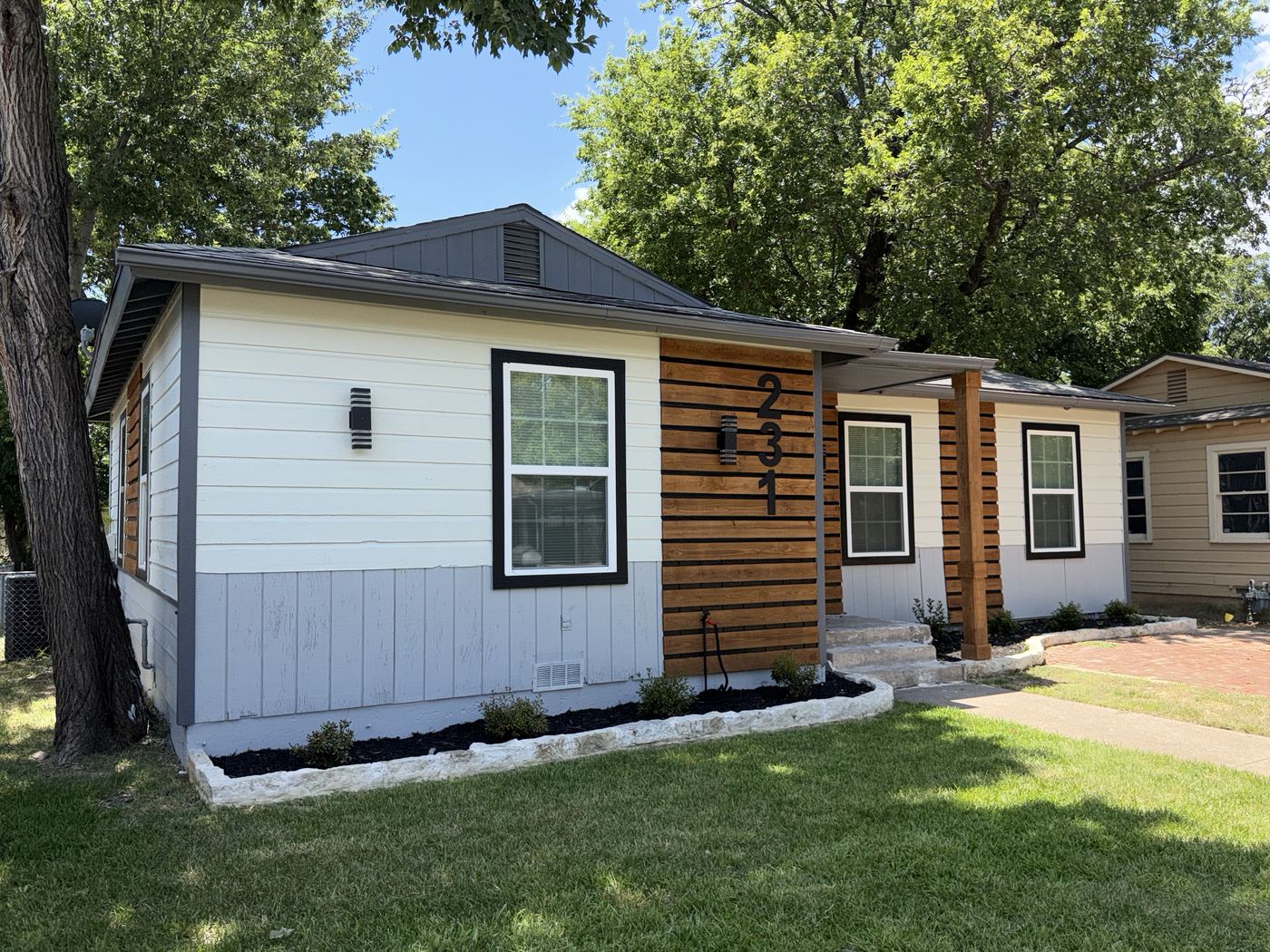
Unfurnished also means fewer variables. The lease is simpler, the deposit covers the house and not an inventory, the move-out inspection compares walls and floors, and turnover does not involve replacing a mattress. Every item you furnish is an item you will eventually clean, repair, argue about or replace.
Who actually rents furnished homes in DFW
The furnished market here is real but narrow, and almost all of it comes from a situation, not a preference:
- Corporate relocations and project assignments lasting a few months.
- Traveling medical professionals on contracts, who want a furnished place within an easy drive of a hospital.
- Insurance displacement: a family whose home was damaged by hail, fire or water, housed while it is repaired.
- Military families and personnel on temporary orders or waiting for permanent housing.
- Life transitions: a divorce, a job change, a family waiting for a new build to finish.
What these tenants share is that they do not want a twelve-month lease and they do not have furniture with them. Some are paid for by an employer or an insurer, and each one still goes through the same screening as any other applicant. More in the guide to corporate relocation tenants.
The trade: higher rent, shorter stays, more turnover
A furnished home usually asks more per month than the same home unfurnished. It also rents for shorter periods, which means more turnovers, and each turnover carries vacant days, cleaning, an inventory check, re-listing and the hours that go with them.
Compare the two over two years, not one month. An unfurnished home on a twelve-month lease that renews once has one turnover in that time. The same home furnished, on stays of a few months, may have four or more, each with a gap before the next tenant. Whether the higher rent survives that depends on how many days the home is actually occupied.
Where steady short-stay demand keeps the gaps short, furnished can come out ahead. Where it does not, the furnished home sits.
The inventory list for a furnished rental property
The inventory list is the core document of a furnished rental. It is signed at move-in, compared at move-out, and it is the only way to show that a sofa was unstained when the tenant got it. A sample layout:
| Item | Condition at move-in | Photo | Who replaces |
|---|---|---|---|
| Sofa, living room | Age, fabric, every existing mark: "two years old, no stains, small snag on left arm" | One wide shot, close-ups of cushions, arms and the snag | Owner when it wears out; tenant for stains or tears beyond normal wear |
| Mattress and bed frame, each bedroom | Size, age, protector fitted, any marks | Mattress top with protector off, frame, headboard | Owner for age; tenant for damage from negligence or accident |
| Television and remote | Make, model, serial number, working | Screen switched on, serial plate | Owner if it fails with age; tenant if cracked or missing |
| Kitchenware | Count by type: plates, glasses, pans, knives | Each open drawer and cabinet | As the lease states; a missing item is chargeable only if the list counted it |
| Linens and towels | Count by type and condition | Stacked sets, laid flat | Owner; these wear out with ordinary use |
How to read this table: the first three columns are facts recorded on move-in day, and the last is a rule your lease sets in advance. A row without a photo is a row you cannot deduct for.
Texas deposit law applies to the furniture exactly as it does to the house. Property Code 92.104 lets a landlord deduct damages and charges the tenant is legally liable for under the lease, bars keeping any part of a deposit for normal wear and tear, and requires a written, itemized list of deductions. Section 92.001 defines normal wear and tear as deterioration from intended use, and excludes negligence, carelessness, accident or abuse of the premises, equipment or chattels. Furniture is a chattel, so a mattress that aged is yours and a mattress that was ruined is the tenant's.
The refund or itemized list is due within 30 days after the tenant surrenders the home (92.103), and a landlord who keeps a deposit in bad faith owes $100, three times the amount wrongfully withheld and the tenant's attorney's fees (92.109). One more rule is specific to furnished homes: under 92.0081(a) a landlord may not remove furniture, fixtures or appliances the landlord furnished from a leased home, except for a bona fide repair or replacement. More detail is in Texas security deposit rules. This is general information, not legal advice.
Pricing a furnished rental without guessing
Furnished rent cannot be set by adding a round number to the unfurnished rate. It has to be built from what comparable furnished homes in the same area actually leased for, at the lease lengths they leased for, and then adjusted for what you include.
The two biggest adjustments are utilities and lease length. A tenant staying three months will not want to open utility accounts, so electricity, water, internet and often lawn care end up inside the rent. Stays under a month are a different business with different rules. A free rental analysis starts from leased comparables instead of listings, and our rental pricing page explains the method.
Insurance, taxes and utilities once your furniture is in the lease
Insurance. The Office of Public Insurance Counsel describes dwelling insurance as usually covering the house and other structures but not personal items like clothes, TVs and furniture. If your rental is on a dwelling policy, do not assume your furniture is insured. Ask your agent, in writing, whether contents you supply to a tenant are covered and whether the lease length you plan changes anything. The Texas Department of Insurance adds that most policies will not pay for damages or injuries that occur during short-term rentals. Renters insurance, where the lease requires it, covers the tenant's belongings and liability, not your sofa. The baseline policy is covered in the landlord insurance guide.
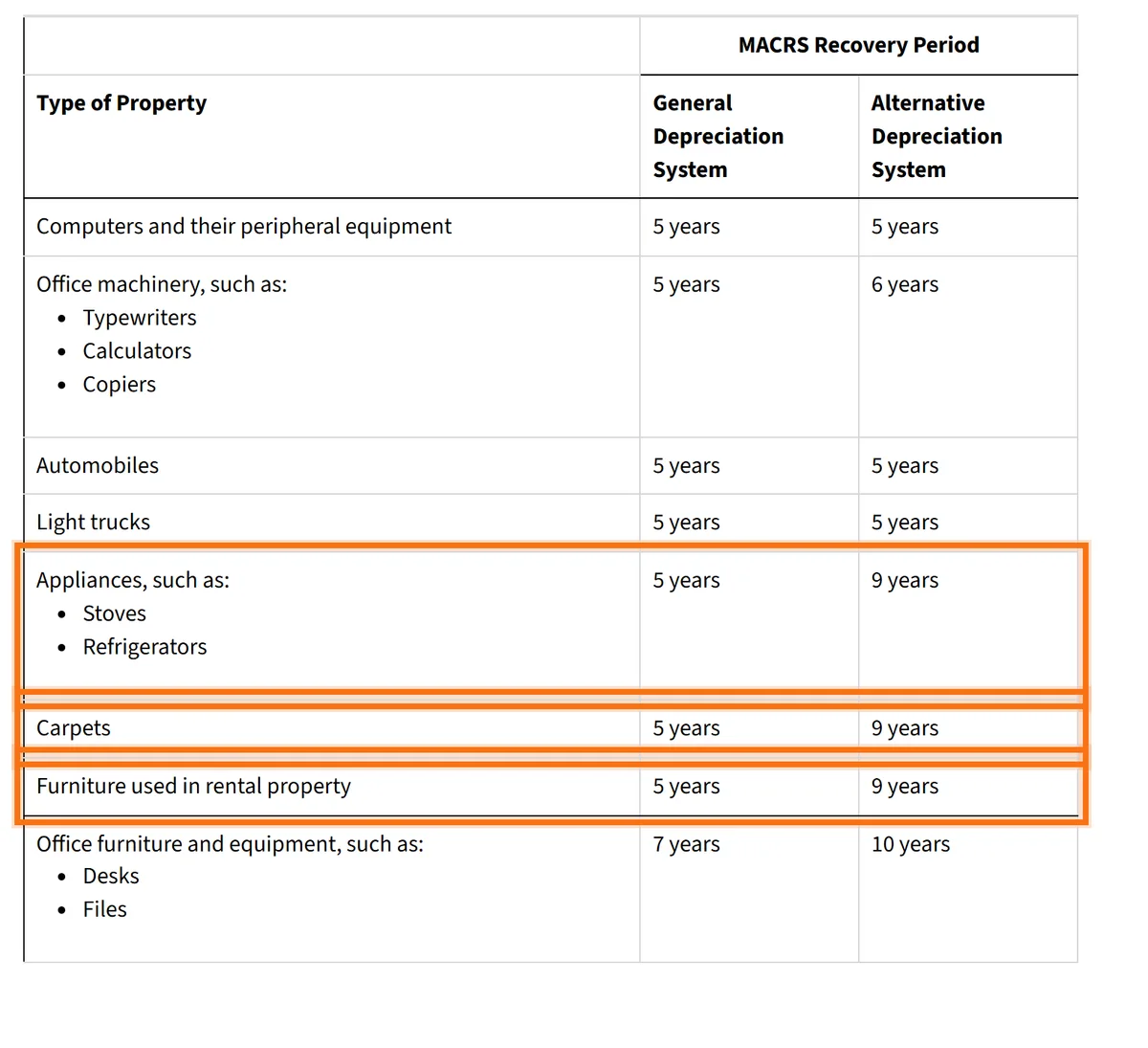
Taxes. You cannot deduct the cost of furniture as an expense in the year you buy it, according to IRS Publication 527. It is depreciated: appliances, carpeting and furniture used in a residential rental are 5-year property under the general depreciation system. Your tax preparer applies the method and any elections.
Utilities. Accounts in your name mean you are paying for the tenant who runs the air conditioning at 65 degrees in August. A furnished lease can set a utility cap with the overage billed back; put it in writing before the first tenant moves in. This is general information, not insurance or tax advice.
The middle options: appliances only, or a partial furnish
For the long-term tenant pool, most of the benefit of furnishing comes from a handful of items: the refrigerator, washer and dryer, and window coverings. Supplying those can widen interest without changing the tenant pool or the lease, and it is a decision on its own, covered in whether to provide appliances in a rental.
A partial furnish, meaning beds and a sofa but not the full household, is the option owners reach for when they have furniture they do not want to move. It rarely works. Long-term tenants do not want someone else's bed, and short-stay tenants need the full household: linens, cookware, a television, a desk. A partly furnished home is less attractive to both groups than a fully furnished or a fully empty one.
When furnishing makes sense: a checklist
Furnish the home when most of these are true:
- The home is within a short drive of a hospital district, a major corporate campus, a military installation or a project site that generates steady short-stay demand.
- Comparable furnished homes nearby lease consistently on three- to six-month terms, and you have seen the figures.
- You can fund a full, matching, durable furnishing package plus a replacement reserve, and you are not relying on furniture you already own.
- Your insurance agent has told you, in an email or letter, how the furniture and the shorter lease terms are covered.
- Your HOA and city have no restrictions on the lease lengths you plan to offer. Confirm with your city before assuming anything about minimum stays.
- You, or your manager, can handle turnovers every few months with a photographed inventory list each time.
- The numbers come out ahead after turnover, utilities, replacement and the extra management, on a realistic occupancy rather than a hopeful one.
If three or more are false, list it unfurnished and take the longer lease.
Decide with pricing data, not with the furniture you already have
The most common way owners end up with a furnished rental is that they moved out and the furniture stayed. That is a storage decision disguised as a leasing strategy; compare the cost of a storage unit or a sale against the tenants you would lose.
Then decide the way you would any other investment choice: get the unfurnished rent and the furnished rent for your home from leased comparables, estimate realistic occupancy for each, subtract the costs each carries, and compare the result per year. Make the decision once, before the listing goes up.
How Perpetual handles this
From our office at 5755 Rufe Snow Dr in North Richland Hills we manage homes in Keller, North Richland Hills, Fort Worth and nearby. The furnished-or-unfurnished question starts with a free rental analysis: we compare your home against comparable leased homes in your neighborhood, not asking prices, and give you a recommended rent range with the reasoning.
Whatever you decide, the documents are the same ones that settle a deposit dispute. Every move-in and move-out gets a 360-degree condition inspection under our written guarantees, and the move-in report is photo-documented room by room, timestamped and acknowledged by the tenant. Deposits are returned or itemized on the Property Code timeline, as our leasing and move-in page describes.
Our site does not publish terms for furnished homes or leases shorter than a year, so whether and how we would manage yours furnished, including the inventory list and any utilities left in your name, is confirmed in writing before you sign.
If you want a straight answer on which way your house should be listed, call 682-593-7033.
The takeaway: Furnish only when your home's location generates steady short-stay demand and the numbers beat unfurnished after turnover, utilities and replacement; otherwise list it empty and take the longer lease.
Questions owners ask
Do furnished rentals make more money than unfurnished ones?
They usually ask more per month but rent for shorter terms, so the extra rent has to cover more frequent turnover, vacant days between stays, utilities, furniture replacement and the extra management. In a location with steady short-stay demand they can come out ahead. In an ordinary neighborhood they usually do not. Compare a full year of each, using leased comparables.
Who rents furnished houses in the Dallas Fort Worth area?
Mostly people in a situation rather than a preference: corporate relocations and project assignments, traveling medical professionals, families displaced by an insurance claim, military personnel on temporary orders, and people in a life transition. They want three to six months, not a year, and arrive without furniture.
Does a furnished rental need a different lease?
It needs more than a standard lease: a signed, photographed inventory list of every item and its condition at move-in, a utility cap if utilities stay in your name, and a term matched to the tenant. Texas deposit rules in Property Code 92.101 to 92.109 apply to the furnishings the same as to the house, including the ban on deducting for normal wear and tear.
Should I leave my own furniture in a house I am renting out?
Usually not. Long-term tenants bring their own furniture and skip furnished listings, and short-term tenants need a complete, matching household, not a partial one. Compare the cost of storage or a sale against the tenants you would lose, and decide on the numbers rather than on convenience.
Is a furnished rental the same as a short-term rental?
No. A furnished rental on three- to six-month leases serves relocation, medical and displacement tenants and is managed like a regular rental with an inventory. Nightly and weekly rentals are a hospitality business with different city rules, insurance, taxes and workload. Confirm your city's rules before offering anything under a month.
Should I rent my DFW house furnished or unfurnished?
For most houses in Keller, North Richland Hills and Fort Worth, unfurnished. Long-term tenants own their furniture and skip furnished listings, and every item you furnish is something you will inventory, argue about at move-out or replace. Furnished fits only a home that can reach short-stay tenants at a rent that covers turnover, utilities and replacement. A free rental analysis from leased comparables shows which one your house is.
Should accidental landlords furnish their rental property?
Usually not. An accidental landlord often has furniture already in the house, and that makes furnishing feel free. It is not: long-term tenants skip furnished listings, every piece needs an inventory entry and a photo, and worn pieces are yours to replace. Unless the house can reach short-stay tenants, move the furniture out and list the house empty.
What goes on an inventory list for a furnished rental property?
Every item you supply, room by room, with four things for each: what it is (with make, model or count), its condition at move-in including existing marks, a dated photo, and who replaces it under the lease. Both sides sign it at move-in and it is checked line by line at move-out. Without it, a deduction for furniture is hard to support under Property Code 92.104.
Related services
Property management in Keller, North Richland Hills and Fort Worth. How full-service management works in Tarrant County →